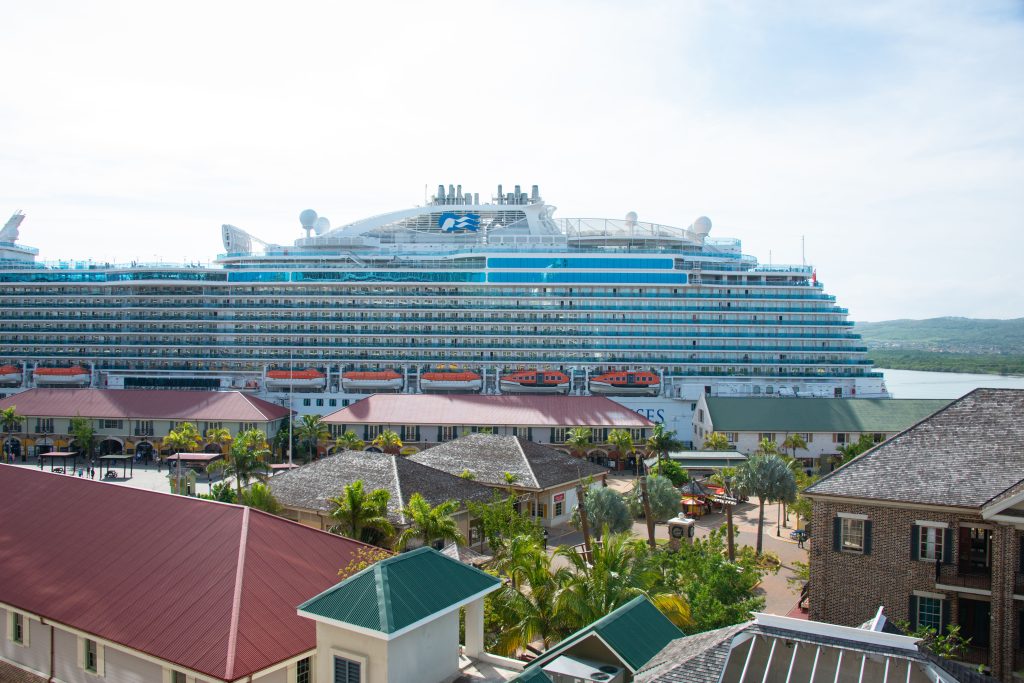
Picture this: You have spent months planning your dream vacation. When it comes to Caribbean cruise port food safety, being prepared is just as important as packing your bags. You are standing on the deck of a massive cruise ship, the warm Caribbean breeze in your hair, watching the turquoise waters part as you approach a tropical paradise. The excitement of a port stop is unmatched. You have only a few hours to soak in the culture, shop for souvenirs, and—of course—taste the local cuisine.
Planning your next shore excursion? Make sure you’re prepared for the hidden food safety challenges at Caribbean cruise ports.
But behind the colorful market stalls and inviting beachside shacks lies a hidden danger that can instantly ruin your vacation. Food poisoning at a cruise port is not just an inconvenience; it is a logistical nightmare. If you get severely ill, you risk missing the ship’s departure, trapping you in a foreign country with medical bills and a massive headache.
As a travel safety expert, I dive deep into travel communities like Reddit and Quora. The fear of the “cruise bathroom trap” is incredibly common. Experienced travelers frequently share horror stories of street food encounters that left them bedridden while their ship sailed away. To keep your stomach happy and your vacation on track, here are 5 foods you should absolutely avoid at Caribbean port stops, along with the safe alternatives you should target instead.
❌ 1. Raw Seafood: A Major Threat to Caribbean Cruise Port Food Safety
It feels natural to crave fresh seafood when you are in the Caribbean. Ceviche—raw fish cured in citrus juices—is a staple in places like Mexico and Belize. However, “cured” does not mean “cooked.”
High heat: Fish sits in humid tropical weather for hours.
Active parasites: Curing with lime juice fails to kill dangerous worms.
Bacteria growth: Dangerous Vibrio bacteria multiplies incredibly fast in warm raw fish.
💡 Pro Idea: Always order whole fish fried or grilled shrimp cooked to order. High heat kills all dangerous pathogens instantly.
❌ 2. Raw Vegetables and Unpeeled Salads
We often think of salads as the healthy choice, but at a Caribbean port, they are highly risky. The issue is not the vegetables themselves, but the water used to wash them.For example, understanding why raw veggies in Cancun might be risky helps explain why travelers frequently experience stomach issues even at high-end port restaurants.
Why It Is Dangerous
Tap water: Leaves are washed in contaminated local tap water.
Microflora shock: Your stomach is not accustomed to the local bacteria.
Hidden traps: Understanding why raw veggies in Cancun might be risky explains why travelers get sick at high-end port restaurants.
Sticky surface: Pathogens cling easily to porous lettuce leaves and raw greens.
💡 Pro Idea: Stick to hot, cooked sides. Choose steamed rice, fresh hot plantains, or baked beans instead.
Exploring a new port is the highlight of a cruise, but staying healthy with safe food choices is essential for a great trip.
❌ 3. Street Food Dairy and Local Ice Creams
Artisanal ice creams and local dairy desserts look incredibly tempting under the hot Caribbean sun. Unfortunately, dairy spoils rapidly without strict temperature controls.n destinations like the Dominican Republic, travelers frequently ask, is tap water safe in Punta Cana?, and the definitive answer for tourists is no
Why It Is Dangerous
Melting ice: Many street vendors rely on coolers with melting ice rather than actual freezers.
Unpasteurized milk: Local, non-factory dairy products often skip safety pasteurization.
Contaminated wash: Ice cream machinery and mixing tools are washed in local tap water.
Regional risks: Travelers frequently ask, is tap water safe in Punta Cana?, and the definitive answer for tourists is no.
💡 Pro Idea: Buy brand-name popsicles. Look for sealed, factory-packaged treats at local convenience stores.
❌ 4. Pre-Cut Fruits and Open-Air Buffets
Walking through a local market and seeing platters of brightly colored mangoes, pineapples, and papayas is a quintessential Caribbean experience. But buying pre-cut fruit from an open-air vendor is a massive gamble.
Why It Is Dangerous
Insect contact: Flies and insects land directly on the exposed fruit flesh.
Dirty utensils: Vendors rarely wash knives or hands between slicing different items.
Dust exposure: Roadside pollution and airborne bacteria coat the open fruit platters.
No defense: Once the fruit is cut, its natural protective skin is completely gone.
💡 Pro Idea: Buy whole fruits only. Purchase whole bananas, oranges, or pineapples and peel them yourself.
❌5. Cold Drinks and Shaved Ice from Street Vendors
On a hot tropical day, a refreshing chilled beverage sounds perfect. However, you must be extremely cautious about the ice used in these drinks.
Why It Is Dangerous
Unpurified Water Sources: Street vendors and small kiosks often use ice produced from local tap water, which may contain bacteria that your system is not adapted to.
Unsanitary Handling: Ice is frequently handled manually or crushed using tools that are rarely sanitized, which can introduce surface contaminants.
The Safety Myth: A common mistake is assuming that ice in all tourist areas is purified; you should always verify if the ice in Cancun resorts is safe before consuming any drink containing ice.
Melting Risks: As contaminated ice melts into your drink, it releases harmful microflora directly into your beverage.
💡 Pro Idea: Avoid any drinks containing crushed or cubed ice at street markets. Instead, opt for factory-sealed bottled water, canned sodas, or fresh juices that are served without ice and opened directly in front of you.
You do not have to starve while exploring a port. The golden rule of travel safety is: Boil it, cook it, peel it, or forget it.
Risky Port Food
Why It’s Risky
Safe Alternative
❌ Ceviche / Raw Seafood
Parasites and poor refrigeration
✅ Fried whole fish or grilled shrimp
❌ Side Salads & Raw Veggies
Washed in contaminated tap water
✅ Steamed rice, plantains, or cooked beans
❌ Street Ice Cream
Spoils quickly, unpasteurized milk
✅ Packaged, brand-name popsicles
❌ Pre-cut Fruit Cups
Exposed to flies and dirty knives
✅ Whole fruits you peel yourself
❌ Blended Ice Drinks
Often made with tap-water ice
✅ Canned beer, bottled soda, or sealed water
⚕️ Caribbean Cruise Port Food Safety Expert Checklist
According to the CDC Travelers’ Health guidelines, foodborne illness is the most common illness affecting travelers. To protect yourself, always pack these items in your daypack:
Hand sanitizer: Use thoroughly before touching any food item.
Pepto-Bismol: Take bismuth subsalicylate at the first sign of stomach trouble.
Rehydration salts: Crucial to prevent dehydration if you get sick in the tropical heat.
If you really want to try authentic local food safely, book a food tour through a highly-rated, vetted local guide. They know exactly which vendors follow strict hygiene standards, allowing you to enjoy the culture without risking your health.
💬 Frequently Asked Questions (FAQs)
Get quick answers to the most common questions regarding Caribbean cruise port food safety to protect your health on shore excursions.
1. Is it safe to eat the food provided on shore excursions?
If the excursion is booked directly through the cruise line, the restaurants used are typically vetted for hygiene and safety.
If you book an independent, low-cost tour, use your best judgment and avoid open buffets that are not kept steaming hot.
2. Can I bring my own food off the ship for port days?
Most cruise lines and international customs regulations strictly prohibit taking fresh food (like fruits, vegetables, or meats) off the ship to protect local ecosystems.
You can, however, pack factory-sealed snacks like granola bars or nuts.
3. What should I do if I get sick at a port stop?
Head back toward the cruise ship immediately, as ships have fully equipped medical centers on board.
If you are too ill to move, contact the ship’s local port agent (listed on your daily cruise newsletter) for urgent assistance.