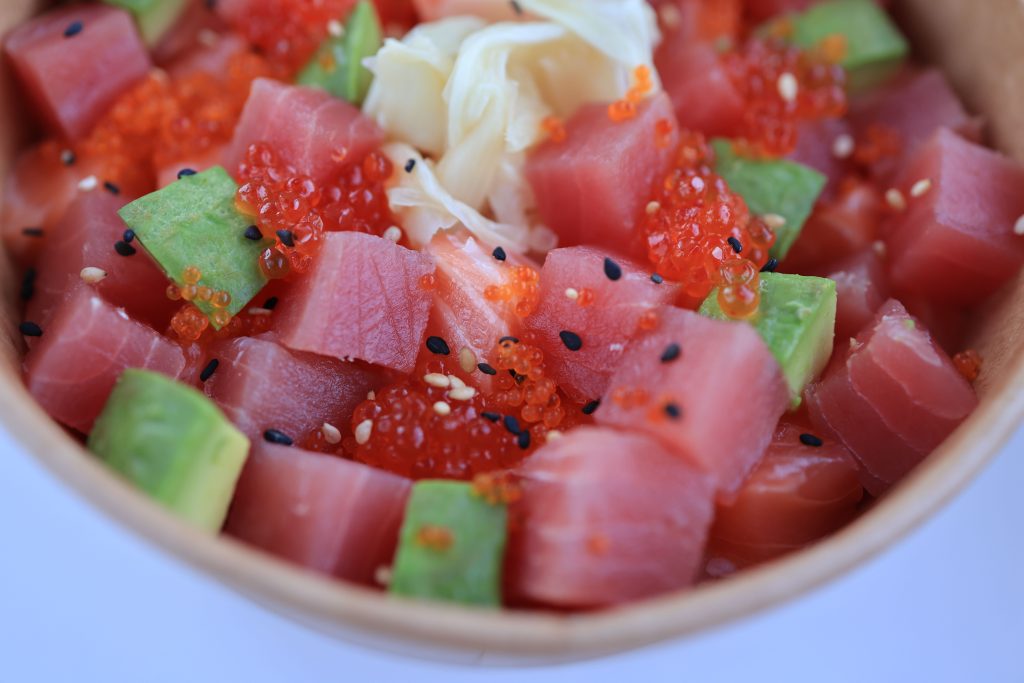
Trying a traditional poké bowl from a roadside food truck or a scenic beach shack is a bucket-list experience for anyone traveling to Oahu, Maui, or Kauai. Made with cubed raw fish, soy sauce, sesame oil, and local seasonings, this iconic dish is celebrated across every island. However, because the core ingredient is raw seafood, understanding hawaii poké bowl safety is essential before ordering from outdoor setups.
Is roadside poké safe to eat in Hawaii? Yes, roadside poké is generally safe and highly celebrated, provided the vendor adheres to strict temperature controls and displays a valid Green Grade placard. If raw fish is left in warm tropical temperatures without proper refrigeration, it can quickly breed dangerous bacteria. Following this comprehensive hawaii poké bowl safety guide will ensure a delicious experience without risking severe food poisoning.
For quick planning, here is the ultimate safety checklist based on travel data and local health regulations.
📌 Quick Key Takeaways for Busy Travelers
- The Golden Rule: Always look for the Green Placard issued by the Hawaii Department of Health before ordering.
- The Temperature Trap: Avoid any vendor displaying raw fish in open, non-refrigerated glass cases or simple trays of melting ice.
- The Safest Alternatives: Local grocery chains like Foodland offer restaurant-grade food safety protocols at roadside prices.
🛑 What the Communities Say: Reddit & Quora Insights
Before diving into health statistics, looking at real-world tourist experiences paints a clear picture of the roadside food scene in Oahu, Maui, and Kauai.
On popular travel subreddits like r/HawaiiVisitors, a recurring piece of advice from locals is to avoid buying poké from vendors that also sell hot, cooked plate lunches from the exact same counter space. Reddit users frequently note that smaller roadside stands occasionally struggle with cross-contamination when switching between raw seafood and warm teriyaki chicken.
Similarly, on Quora, seasoned travelers emphasize that tourist-heavy roadside stops near remote beaches (like the North Shore of Oahu) often run out of fresh stock quickly during peak hours. Ordering the very last portion of poké at 4:00 PM from a truck that has been open since morning is widely flagged by frequent flyers as a high-risk gamble.
When planning coastal vacations or exploring vibrant food hubs, checking localized advice is essential. For instance, travelers exploring eastern urban hubs often rely on a curated NYC and New Jersey Food Guide to find vetted eateries, just as tropical vacationers need a trusted Miami Vacation Guide to safely navigate coastal seafood markets.
🦠 The Hidden Science of Roadside Poké: Why Temperature Matters
To understand the risk, one must look at the strict biological guidelines outlined by the U.S. Food and Drug Administration (FDA). Raw seafood must be kept completely out of the “Danger Zone”—the temperature range between 40°F and 140°F where bacteria multiply exponentially.
The Threat of Histamine Poisoning (Scombroid)
Unlike typical food poisoning which takes days to develop, Scombroid poisoning happens within minutes of eating spoiled raw fish (especially yellowfin tuna or Ahi). If a roadside stand does not keep the fish properly chilled, the amino acids in the dead fish break down into histamine. Cooking the fish cannot destroy these histamines once they form, and consuming them triggers a massive allergic reaction, including severe rashes, facial swelling, and stomach cramps.
Parasite Risks (Anisakis)
According to the Centers for Disease Control and Prevention (CDC), wild marine fish can carry microscopic parasite larvae called Anisakis. Commercial establishments in Hawaii use commercial-grade flash-freezing techniques to kill these parasites before serving the fish raw. However, unregulated or ultra-cheap roadside stalls might occasionally source direct, never-frozen local catches that have not undergone this critical anti-parasite freezing protocol.
Just as home cooks must verify sourcing to Buy Authentic Mexican Cheese without risking unpasteurized bacterial exposure, travelers buying raw fish on the road must ensure the vendor uses commercial-grade, verified suppliers.
💡 PRO TIP: If the price of a roadside poké bowl seems incredibly cheap compared to local restaurant averages ($12 vs $22+), it is highly likely the vendor is cutting corners on sourcing, freezing protocols, or refrigerated transport.
🔍 4 Red Flags of a Dangerous Hawaii Poké Stand
American travelers looking for a quick bite do not need a science degree to spot an unsafe vendor. Keep an eye out for these four visual warning signs:
1. The Missing “Green Placard”
The Hawaii Department of Health operates a strict, mandatory color-coded inspection system for all food establishments, including mobile food trucks.
- Green Card: Passed inspection with zero major violations.
- Yellow Card: Conditional pass with outstanding violations that must be fixed.
- Red Card: Immediately shut down due to critical health hazards. [1]
If a roadside truck does not proudly display its Green Placard directly on the service window, walk away immediately.
2. Condensation on Display Glass
If the poké is sitting inside a glass display case, look at the glass. Heavy condensation or fogging means the interior air temperature is fluctuating or warming up due to the hot Hawaiian sun. The fish must be kept under constant, active mechanical refrigeration, not just sitting on a bed of rapidly melting ice cubes.
3. Combined Handling of Cash and Food
Watch the workers for two minutes before ordering. If the same employee handles paper cash, touches a tablet screen for credit card payments, and then grabs a scoop to assemble a poké bowl without changing their gloves or washing their hands, cross-contamination is virtually guaranteed.
4. No Live Crowd (Slow Inventory Turn-Over)
Raw fish has an incredibly short shelf life in tropical climates. A crowded food truck with a long line means the fish is constantly being replenished with fresh, chilled batches from the back freezer. An empty roadside stand with zero customers means that raw tuna has likely been sitting out in the humid air for hours.
📊 Roadside Poké Safety Cheat Sheet
| Feature to Check | 🟢 Safe Choice (Order Here) | 🔴 Red Flag (Avoid This Stand) |
| Health Department Sticker | Bright Green Placard visible on the glass | Yellow/Red Placard or completely missing |
| Cooling Method | Plugin commercial refrigerator units | A simple plastic cooler filled with loose ice |
| Fish Appearance | Bright, translucent, firm cubes with zero liquid pooling | Dull, grayish-brown, mushy texture sitting in warm juices |
| Worker Hygiene | Dedicated cashier + separate food prepper | Single worker handling cash and food with the same gloves |
🛒 Safe, Low-Cost Alternatives: Where to Buy Authentic Poké
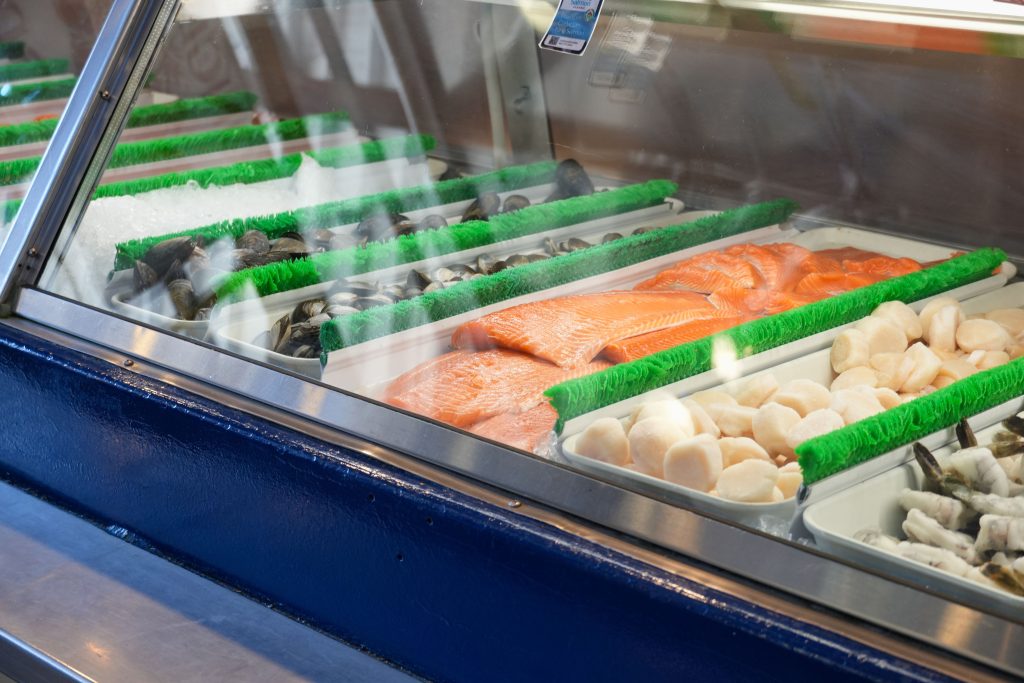
Travelers who want the casual, affordable vibe of roadside poké without the outdoor sanitation risks should utilize Hawaii’s local grocery infrastructure.
Foodland Supermarkets (The Local Secret)
Ask any resident where to get the best affordable poké, and they will point to Foodland. This local grocery chain features a dedicated, pristine seafood counter inside air-conditioned buildings. They follow strict corporate food safety protocols, source directly from the Honolulu fish auction daily, and offer dozens of varieties at prices that rival or beat roadside trucks.
Established Brick-and-Mortar Shops
Instead of a random popup tent by the highway, choose permanent, highly rated local shops that maintain permanent commercial kitchens.
- Ono Seafood (Honolulu, Oahu): A legendary storefront with decades of clean health inspection records.
- Tamura’s Fine Wine & Liquors: Despite being a liquor store, their hidden back counters serve some of the freshest, safest, and most hygienic poké on the islands.
💡 PRO TIP: Always buy poké before 1:00 PM. Local shops make their primary batches first thing in the morning. Buying early ensures the seafood spent minimal time sitting in a display case.
🏥 Hawaii Food Poisoning Toolkit: What to Do If You Get Sick
Even with careful planning, unexpected stomach bugs can happen. If food poisoning symptoms strike while traveling through the Hawaiian islands, execute this emergency checklist:
- Locate a Major Pharmacy: Visit local chains like Longs Drugs (CVS) or Walgreens to pick up over-the-counter stomach relief such as Pepto-Bismol or Imodium.
- Hydrate via Local Supermarkets: Pick up Pocari Sweat or standard electrolyte packets to combat dehydration caused by the hot tropical climate.
- Utilize Urgent Care Centers: Avoid heading straight to expensive hospital emergency rooms for basic food poisoning. Every major Hawaiian island has widely available Urgent Care clinics (such as Doctors on Call or Minit Medical) that can administer IV fluids and anti-nausea medication quickly at a fraction of the cost.
Even with careful planning, unexpected stomach bugs can happen. If food poisoning symptoms strike while traveling through the Hawaiian islands, execute this emergency checklist:
- Locate a Major Pharmacy: Visit local chains like Longs Drugs (CVS) or Walgreens to pick up over-the-counter stomach relief such as Pepto-Bismol or Imodium.
- Hydrate via Local Supermarkets: Pick up Pocari Sweat or standard electrolyte packets to combat dehydration caused by the hot tropical climate.
- Utilize Urgent Care Centers: Avoid heading straight to expensive hospital emergency rooms for basic food poisoning. Every major Hawaiian island has widely available Urgent Care clinics (such as Doctors on Call or Minit Medical) that can administer IV fluids and anti-nausea medication quickly at a fraction of the cost.
❓ Frequently Asked Questions (FAQs)
Q: Is the ice used at roadside Hawaiian food stands safe?
A: Yes. Ice used in commercial beverages throughout Hawaii is strictly regulated and sourced from purified water facilities, making it completely safe to consume.
Q: Can pregnant women safely eat traditional roadside poké?
A: No. Medical guidelines universally discourage pregnant individuals from consuming raw seafood due to the heightened risk of Listeria and parasite exposure.
Q: How long can a poké bowl sit out in tropical Hawaiian weather?
A: A poké bowl should never sit unrefrigerated for more than 1 hour in hot tropical conditions. If left out past this window, it should be discarded to avoid Scombroid poisoning.