Renting a jet ski and flying across the turquoise waters of Patong, Kata, or Karon Beach is a bucket-list dream for thousands of US and global tourists visiting Thailand. The wind in your hair, the dramatic limestone cliffs in the background, and the adrenaline rush make it seem like the ultimate tropical adventure. However, for many unsuspecting travelers, this dream fast-forwards into a high-stress financial nightmare.

The notorious phuket jet ski scam remains one of the most organized, aggressive, and expensive tourist traps in Southeast Asia. In a matter of minutes, a thrilling ride can turn into an intimidating standoff on the sand, with aggressive operators demanding thousands of dollars for damage you didn’t cause.
As global travel rebounds to record highs, scammers have sharpened their tactics. This comprehensive insider guide exposes exactly how the trap is sprung, the physical tricks operators use, and the ultimate legal shield you can use to protect your wallet and your peace of mind.
Anatomy of the Phuket Jet Ski Scam: How Innocent Tourists are Target Number One
The scam does not start when you return the watercraft; it begins the moment you walk up to a rental tent on the beach. Operators are expert psychologists. They scan the beachfront looking for specific targets: first-time visitors, families, and Western tourists who appear relaxed, affluent, and unfamiliar with local languages or customs.
[ The Jet Ski Scam Blueprint ]
Tourist rents jet ski ──> Smooth ride ──> Return to shore ──> Aggressive confrontation
                                                                       │
    Demand $1,000 - $3,000 for "damage" <── Operators surround tourist ┘
When you approach, the staff will be incredibly friendly, smiling, and accommodating. They will quickly quote you a reasonable price—usually around $45 to $60 USD (1,500 to 2,000 Thai Baht) for a 30-minute session. They will hand you a life jacket, give you a superficial 10-second explanation of the throttle, and push you out into the waves.
The trap is officially set. The friendliness completely evaporates the exact second your rental time expires and your jet ski touches the shoreline. As you step off the watercraft, a group of three to five intimidating men will instantly surround the jet ski, block your path back to the main road, and begin pointing aggressively at the hull.
💡 Planning a trip to Europe next? Don’t miss our ultimate Paris Restaurant Secrets Guide to learn the secret French phrase that saves you from paying €10 for water!
The Under-the-Water Damage Trick Explained (The Pre-Existing Scratch Trap)
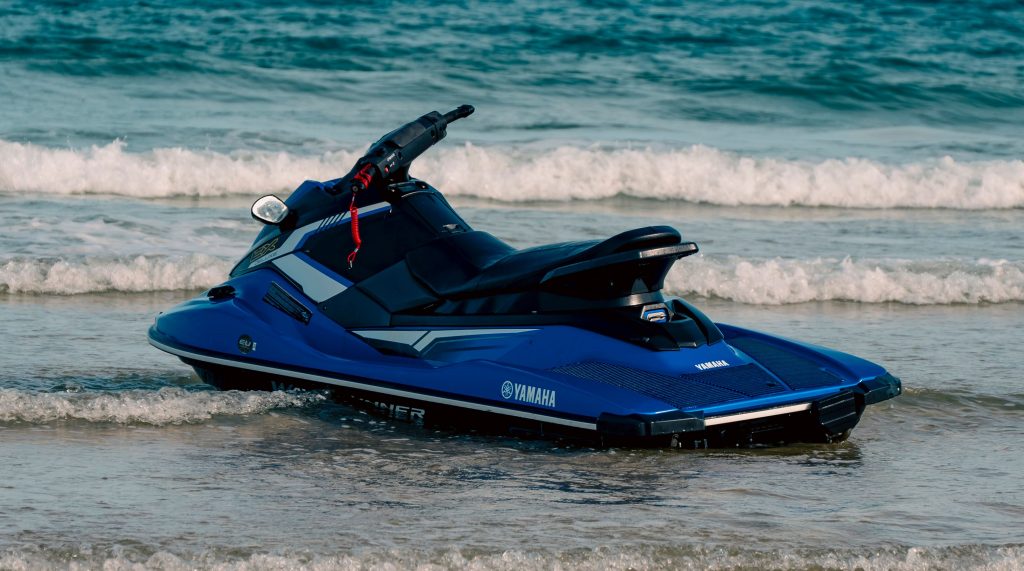
The core mechanism of the phuket jet ski scam relies on structural optical illusions and intense psychological pressure. The operators will point out deep structural scratches, fiberglass cracks, or broken gel coats on the body of the jet ski. They will look genuinely angry, loudly claiming that you crashed into another jet ski, hit a hidden reef, or dragged the machine across sharp rocks.
The terrifying reality? The damage was already there.
+------------------------------------------------------------+

|                THE PRE-EXISTING SCRATCH TRAP               |
+------------------------------------------------------------+

| [Top Deck]      Looks pristine and brand new.               |
|                                                            |
| [Waterline]     Operators carefully apply temporary wax    |
|                 or water-soluble compound over old cracks. |
|                                                            |
| [Under-Hull]    Deep, permanent fiberglass structural      |
|  (The Trap)     damage is hidden entirely under water.     |
+------------------------------------------------------------+
Scammers use highly sophisticated methods to conceal permanent structural damage from casual observation:
- The Soluble Wax Trick: Operators use specialized water-soluble cosmetic compounds or heavy industrial waxes to temporarily fill in deep fiberglass cracks on the hull before you arrive.
- The Dissolving Agent: While you are riding out in the saltwater at 40 miles per hour, the friction and salt completely wash away the temporary wax filler.
- The Unveiling: When you park the jet ski on the beach, the old, deep structural damage is fully exposed to the sun.
Because you are completely certain you didn’t hit anything, you will naturally protest. This is when the operators switch to predatory intimidation tactics. They will pulling out an official-looking repair price booklet. They will assert that fixing the specific fiberglass damage requires taking the jet ski out of commission for a week, demanding anywhere from $1,000 to $3,500 USD (35,000 to 120,000 Thai Baht) in immediate cash compensation.
The Insider Secret: The 360-Degree Video Rule to Stop the Scam Instantly
You do not have to skip jet skiing entirely to stay safe in Phuket. You simply need to destroy the scammer’s blueprint before you ever turn the ignition key. The ultimate defense tool is sitting right inside your pocket: your smartphone.
Before you touch the jet ski, sign any paper receipts, or hand over a single Baht, you must strictly enforce the 360-Degree Video Rule.
[ 360-Degree Video Check ]
1. Record continuous 4K video around entire body
2. Crouch down to film under the hull/waterline
3. Capture the operator's face explicitly in the frame
4. Verbally state date, time, and visible scratches
1. Shoot a Continuous 4K Video
Open your phone’s camera app, set the resolution to 4K at 60fps, and record one continuous, unedited video path around the entire machine. Do not take individual static photos; a continuous video proves no edits or timeline modifications were made.
2. Film Under the Hull and Waterline
Crouch down directly into the shallow water. Physically tilt the jet ski slightly to its side if needed, and film the complete underside of the hull, the nose cone, and the areas near the intake grate. This is exactly where the pre-existing cracks live.
3. Keep the Operator Explicitly in the Frame
Ensure the rental operator’s face, clothing, and distinct beach badges are clearly visible in the background of your video as you point your lens at existing scratches.
4. Use Clear Verbal Commentary
Speak loudly and clearly during the recording. Say things like: “Today is July 12, 2026, at Patong Beach. I am renting jet ski number 14. I am pointing out this deep 4-inch scratch on the lower left fiberglass hull right now before my ride.”
Why this works like a magic shield: Scammers are looking for easy, defenseless targets. When an operator sees you systematically documenting the entire underside of the jet ski with their face explicitly captured on video, they realize their pre-existing damage trick is completely dead. They will often suddenly swap your jet ski out for a truly undamaged one, or politely tell you to go to a different vendor. You have effectively made yourself “unscammable.”
What to Do If They Threaten Police Intervention (The Tourist Police Hotline 1155 Trick)
If you find yourself trapped by aggressive operators without video proof, the situation can escalate rapidly. The operators will yell, crowd your personal space, and threaten to call the police to block you from leaving Thailand or have you arrested at the airport.
This is a high-pressure psychological bluff. You must remain completely calm, keep your posture relaxed, and use the Tourist Police Hotline 1155 Trick.
                           [ EMERGENCY PROTOCOL ]
                                     │
                    ┌────────────────┴────────────────┐
                    ▼                                 ▼
          [ DO NOT DO THIS ]                 [ DO THIS INSTEAD ]
     • Panic or show anger               • Remain completely calm
     • Hand over your passport           • Never give cash on the sand
     • Agree to local village police     • Dial 1155 on your phone
In beachfront tourist hubs across Thailand, traditional local municipal police officers can occasionally be biased toward local businesses or lack the English language skills to properly mediate international civil disputes. Scammers rely on this dynamic to force quick cash settlements.
The Thai government created a completely separate branch specifically to protect international visitors: The Royal Thai Tourist Police.
- Pull Out Your Phone: Immediately type 1155 into your dialer and press call. This is a dedicated, multi-lingual 24/7 tourist helpline.
- State Your Location Clearly: Tell the dispatcher your exact beach location, the name on the rental tent, and state clearly: “I am an international tourist being extorted and physically intimidated by a jet ski scam group.”
- Demand Mediation: Look the scammers directly in the eyes and firmly say: “We will wait here until the Tourist Police arrive to resolve this.”
The mere mention of dialing 1155 and bringing the Tourist Police down to the sand completely shifts the power dynamic. Tourist Police officers have the authority to inspect vendor licenses and penalize fraudulent businesses. In more than 80% of extortion cases, the moment the operator realizes you are talking directly to a 1155 dispatcher, the financial demand will drastically drop from $2,000 down to a minor $50 fee, or they will simply walk away entirely to avoid official state scrutiny.
Final Safety Summary for Phuket Travelers
To ensure your vacation remains unforgettable for the right reasons, memorize this quick safety checklist before hitting the water:
- 🚫 Never Ever Give Up Your Passport: Never hand your physical passport over to a jet ski vendor as a rental deposit under any circumstances. If they demand it, walk away. Give them a paper photocopy instead.
- 💳 Never Pay Cash on the Sand: If true accidental damage did occur, never hand over loose cash directly on the open beach. Demand to walk to the nearest official police station to settle the matter on a formal record.
- 📝 Look for Insurance Stickers: Legitimate, legally registered jet ski operators in Phuket are required to carry official marine insurance decals. Look for valid, updated government registration stamps on the side of the craft.
By staying alert, documenting the watercraft thoroughly using the 360-degree video rule, and keeping the 1155 emergency hotline ready on your device, you can completely neutralize the threat of extortion and enjoy the spectacular coastal beauty of Thailand safely.