📌 Quick Cruise Safety Summary: To avoid contracting norovirus at a cruise ship buffet, strictly cross high-risk items off your plate. Steer clear of raw shellfish (like oysters), premade cold mayo-based salads, leafy greens, self-serve soft-serve ice cream machines, and pre-sliced melons. Stick to hot, fresh, custom-cooked stations to protect your trip.
The cruise ship buffet is a highlight for many travelers, but it requires smart choices to avoid illness.
Imagine shelling out thousands of dollars for a dream vacation, unpacking your bags in a beautiful ocean-view cabin, and heading straight to the ship’s dining area. However, before you grab a plate, you must read this crucial cruise ship buffet warning. The energy on board is high and the options seem endless, but hiding among those rows of gourmet dishes is a microscopic threat that can trap a traveler inside a tiny ship bathroom for 72 straight hours. It is called norovirus, and it is the ultimate cruise ship nightmare.
Spend just five minutes scrolling through travel boards on Reddit or reading horror stories on Quora, and the trend becomes clear. Frantic threads like “Currently stuck on a Caribbean cruise with massive stomach flu” or “How do I avoid the stomach bug at the ship buffet?” pop up constantly.
While cruise lines work tirelessly to sanitize public areas, the buffet remains ground zero for contamination because hundreds of passengers touch the exact same serving utensils every single hour.
To protect your hard-earned vacation, certain items must be crossed off your plate immediately. Here are the five most dangerous foods at a cruise ship buffet and how to navigate dining on board safely.
traveler health safety cruise vacation
🛑 The 5 Most Dangerous Foods at a Cruise Buffet
1. Raw Oysters and Shellfish
The Hazard: Shellfish are filter feeders that naturally pump ocean water through their bodies, concentrating any viruses present.
The Problem: Norovirus easily survives inside raw shellfish harvested from contaminated waters.
The Catch: Because they are served raw or undercooked, there is zero heat to destroy the virus.
Land vs. Sea: While seafood safety on board requires strict temperature management, stepping off the gangway brings entirely different regional environmental risks. For instance, understanding the real risks of ciguatera toxins in the Bahamas is vital before ordering a local reef catch at a port restaurant.
Safe Move: Stick to the hot stations serving fully baked salmon, grilled shrimp, or blackened mahi-mahi.
💡 PRO TRAVEL SAFETY TIP: If you absolutely must have seafood on embarkation day, skip the open buffet entirely. Head to the ship’s upscale à la carte dining room or a premium specialty restaurant. These smaller venues prepare meals individually to order, dramatically reducing the mass-handling risks found at the main buffet stations.
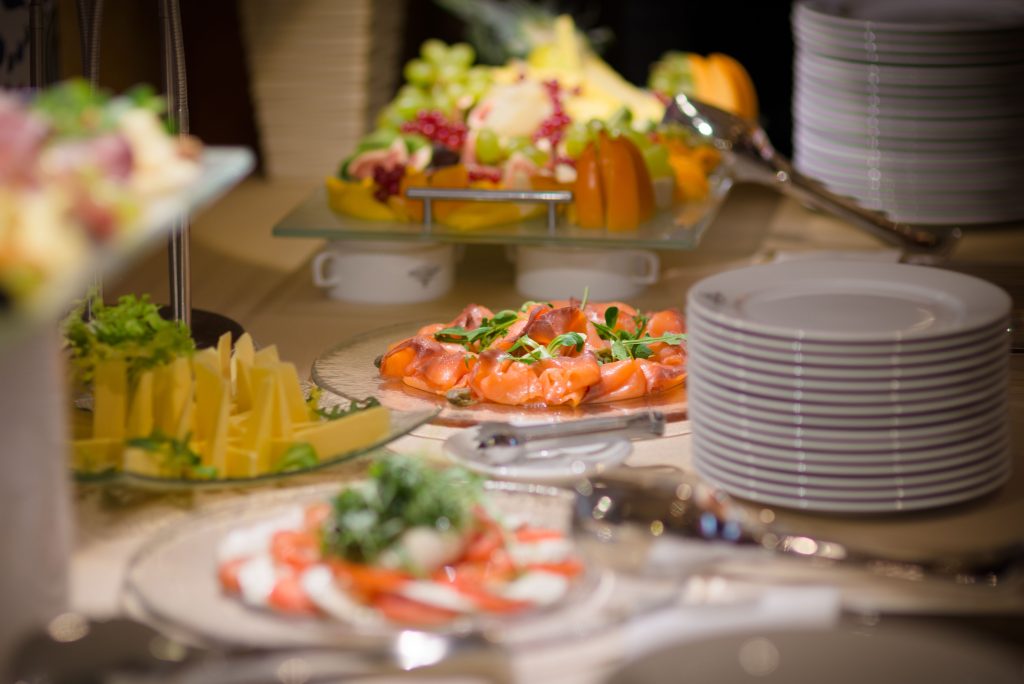
Mayo-based salads and raw shellfish left at room temperature carry higher contamination risks.
2. Premade Cold Salads (Potato, Macaroni, and Tuna)
The Hazard: These heavy salads require extensive manual preparation, chopping, and mixing by galley staff.
The Problem: If a worker is asymptomatic with norovirus, the virus transfers directly into the mixture.
The Catch: These massive bowls sit out on the buffet line for hours. If the cooling ice underneath melts even slightly in warm tropical climates, the food enters the bacterial “danger zone”.
Safe Move: Look for hot side dishes or custom-grilled options where foods are cooked fresh to order.
3. Leafy Green Salads (Spinach and Romaine)
The Hazard: Raw greens have an incredibly high surface area filled with tiny folds, crevices, and rough textures.
The Problem: Norovirus tightly clings to these leaves, making them incredibly difficult to wash thoroughly in high-volume commercial kitchens.
The Catch: Shared salad tongs are handled by hundreds of passengers with unwashed hands right before you touch them.
Water Warnings: Raw greens require immaculate water purity. Whether you are avoiding unwashed produce on a cruise ship or looking for clean drinks at a land-based resort, water safety is a continuous travel theme. For example, verifying whether the ice is safe in Cancun resorts is just as critical as scanning a buffet bar.
Safe Move: Choose cooked vegetables like steamed broccoli, roasted carrots, or grilled zucchini.
💡 PRO TRAVEL SAFETY TIP: To satisfy your craving for fresh veggies safely, look for the Live Omelet or Pasta Station at the buffet. Grab a clean plate, hand the chef raw peppers, onions, or mushrooms directly from their closed prep containers, and have them flash-cook them right in front of you. High-heat skillet cooking kills active pathogens instantly.
4. Self-Serve Soft-Serve Ice Cream
The Hazard: The soft-serve ice cream machine is a cruise favorite, but the machine’s pull-lever is a hotbed for germs.
The Problem: Hundreds of excited children and adults pull down on the exact same plastic lever all day with unwashed hands.
The Catch: Norovirus can live on hard plastic and metal surfaces for days. Touching the lever and then accidentally touching your cone transfers the virus straight to your mouth.
💡 PRO TRAVEL SAFETY TIP: If you use any self-serve machine on a cruise ship (including juice, coffee, or ice cream dispensers), treat the lever like a biohazard. Use a clean paper napkin to pull the handle down, throw the napkin away immediately, and never touch the rim of your cup or cone with your bare fingers.
5. Pre-Sliced Melons (Watermelon and Cantaloupe)
The Hazard: Melons grow directly on the ground, exposing their rough outer rinds to agricultural runoff and soil contaminants.
The Problem: When a kitchen knife slices through a melon, the blade drags surface bacteria and viruses directly into the soft flesh.
The Catch: Melons have a low-acidity profile, meaning the sliced fruit acts as a perfect breeding ground if left under warm sun rays.
Excursion Rules: Buffet habits keep you safe on the ship, but exploring local port cities requires a totally different strategy. Reviewing a comprehensive Caribbean cruise port food safety guide ensures that street vendor snacks don’t cut your beach day short.
Safe Move: Stick to fruits you peel yourself, like bananas, oranges, or fresh room-service apples.
🛠️ The Cruise Dining Survival Toolkit: Key Takeaways
To ensure a vacation stays on track, implement these non-negotiable buffet rules:
🧼 Sanitizer Fails: Standard cruise ship hand sanitizer stations do not kill norovirus. The virus lacks a lipid envelope, making alcohol gel completely ineffective against it.
🧼 Soap Wins: The only way to remove the virus from skin is by physically scrubbing hands with warm water and soap for at least 20 seconds before every meal.
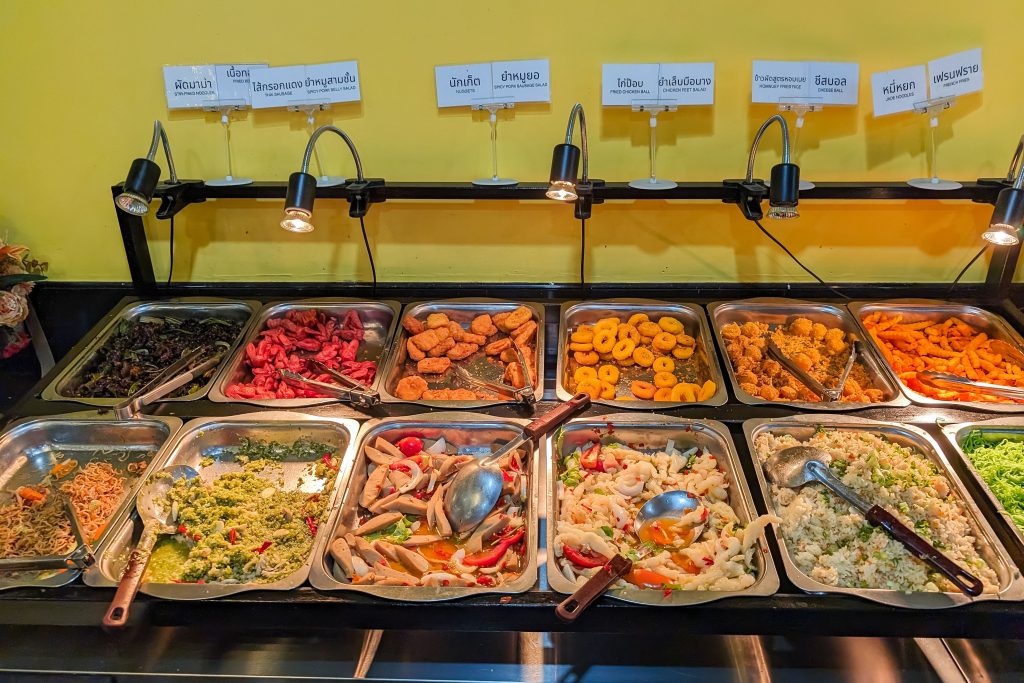
🍽️ Skip Self-Serve: Always prioritize buffet stations where crew members stand behind safety glass and scoop the food directly onto your plate for you.
🛏️ The 72-Hour Rule: If sudden vomiting or cramping begins, report it to the ship’s medical center instantly. Early isolation stops ship-wide outbreaks and keeps you safe.
💡 PRO TRAVEL SAFETY TIP: Pack a travel-sized bottle of Clorox Healthcare Bleach Wipes in your carry-on bag. Standard Lysol or alcohol-based wipes do not eliminate norovirus from hard surfaces. Wipe down your cabin’s bathroom handles, TV remote, and vanity desk as soon as you step into your room on Day 1.
❓ Cruise Buffet & Norovirus FAQ
Q: Can norovirus survive in hot buffet food? A: No. Norovirus is killed by high heat. Food that is served steaming hot (cooked to at least 140°F) is generally safe, provided it has not been touched by a contaminated passenger utensil after cooking.
Q: Why does norovirus spread so quickly on cruise ships? A: Cruise ships bring thousands of travelers into closed, high-traffic spaces with shared elevator buttons, deck railings, and dining areas. Because the virus requires only a tiny viral load to infect someone, it spreads rapidly across surfaces.
Q: Are cruise ship buffets clean? A: Yes, cruise lines follow incredibly strict sanitation protocols regulated by health agencies. However, even the cleanest buffet line can be instantly compromised by a single passenger who fails to wash their hands properly after a restroom visit.