Picture this: You are sitting at a gorgeous beach shack in Nassau, enjoying a plate of fresh seafood. However, before ordering, understanding how to protect yourself from ciguatera toxins in the Bahamas is the single most important thing you can do. Imagine waking up the next morning with your fingers tingling strangely. When you take a sip of hot coffee, it suddenly feels like ice water in your mouth. When you wash your hands with cold tap water, your skin feels like it is burning.
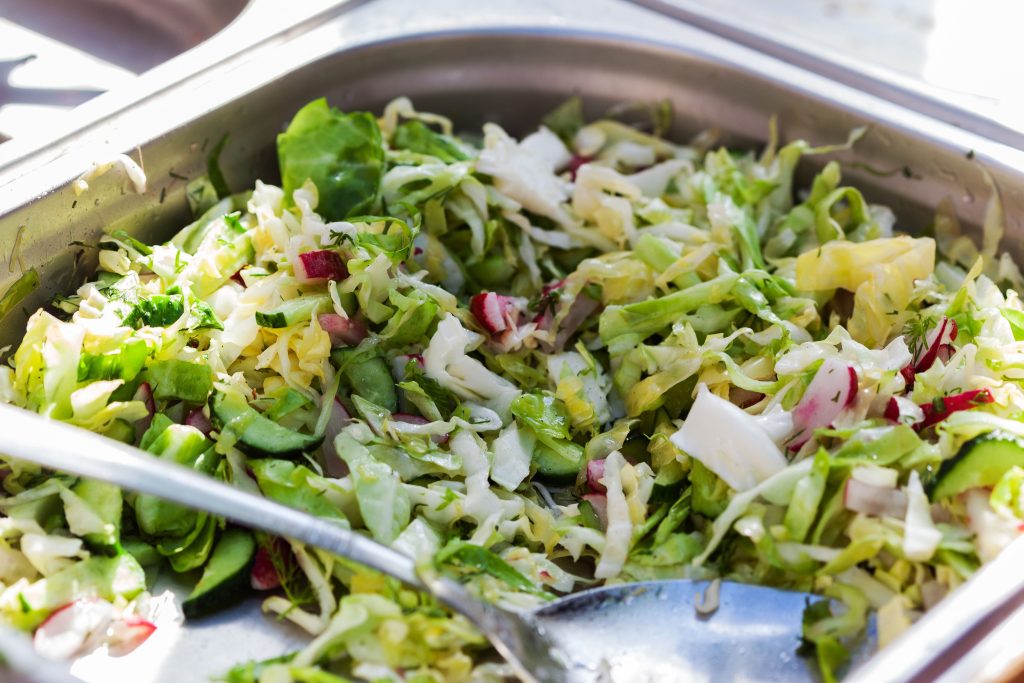
Fresh, lime-drenched conch salad is a tropical classic—just ensure your vendor uses a clean, dedicated cutting surface.
This upside-down neurological nightmare is the reality of Ciguatera poisoning.
For American travelers, getting sick abroad is a massive financial and logistical anxiety. While most tourists pack medicine for common bacteria like Salmonella, a much more hidden threat lives inside beautiful reef fish. According to real-life traveler reports on Reddit and medical data, learning how to handle ciguatera toxins in the Bahamas is the single most important thing you can do before ordering your next seafood dinner. Here is what you need to avoid.
According to the CDC’s travel health guidelines, travelers should be aware of regional health risks associated with local seafood consumption, including the invisible threat of marine toxins
Unlike typical food poisoning caused by poor kitchen hygiene or undercooked food, Ciguatera does not come from a dirty chef or a neglected refrigerator. It is a naturally occurring toxin produced by microscopic marine algae called Gambierdiscus toxicus.
These toxic algae grow on coral reefs. Small herbivorous fish eat the algae, and larger predator fish eat the small fish. As the toxin moves up the food chain, it concentrates heavily in the organs and flesh of large reef predators. This biological process is known as bioaccumulation.
The most terrifying part about this specific poison? It is completely invisible.
Invisible Threat: The toxin has absolutely no taste, odor, or color.
Indestructible: It cannot be destroyed by cooking, baking, freezing, or marinating in acidic lime juice.
No Test Kits: There is no quick commercial test kit available for travelers at a restaurant table.
❌ High-Risk Foods: What to Avoid Ordering
When browsing local menus in the Bahamas, you need to understand which species are the primary carriers of the toxin. On travel forums like Reddit and Quora, travelers often mistake Ciguatera for standard “food poisoning,” but the neurological symptoms point directly to large reef species.
1. Large Barracuda (The Absolute Red Flag)
Barracuda sits at the very top of the reef food chain. Because they live for years and eat thousands of smaller reef fish, their flesh contains the highest concentrations of the toxin. In fact, most local Bahamian fishermen will refuse to eat large barracuda themselves.
2. Large Grouper and Snapper
While small grouper and snapper are island staples, exceptionally large or older fish are highly risky. Avoid ordering oversized fish steaks or giant fillets of black grouper and red snapper at local shacks.
3. Hogfish and Amberjack
These are incredibly popular sports fish in the Caribbean. However, because they feed closely around shallow coral reefs where the toxic algae thrives, they carry a significantly higher baseline risk.
💡 Pro Idea: If a restaurant is advertising a “Catch of the Day” fish fillet that seems unusually thick or massive, skip it. Stick to smaller, younger fish specimens which have not had time to accumulate the toxin.
🐚 The Truth About Bahamian Conch Salad
Conch is the national dish of the Bahamas, and trying fresh conch salad is a rite of passage for tourists. But is it safe from Ciguatera?
Fortunately, Queen Conch are marine snails that primarily graze on sand flats and seagrasses, not the coral reefs where Gambierdiscus algae grows. Therefore, the risk of getting Ciguatera from pure conch meat is exceptionally low.
However, cross-contamination is a real issue at busy local food stalls. Vendors often use the exact same cutting boards, knives, and prep areas to slice up large reef fish and raw conch.
💡 Pro Idea: Watch the vendor prepare your food. Choose stalls where the conch is cracked fresh from the shell right in front of you and chopped on a dedicated, clean surface.
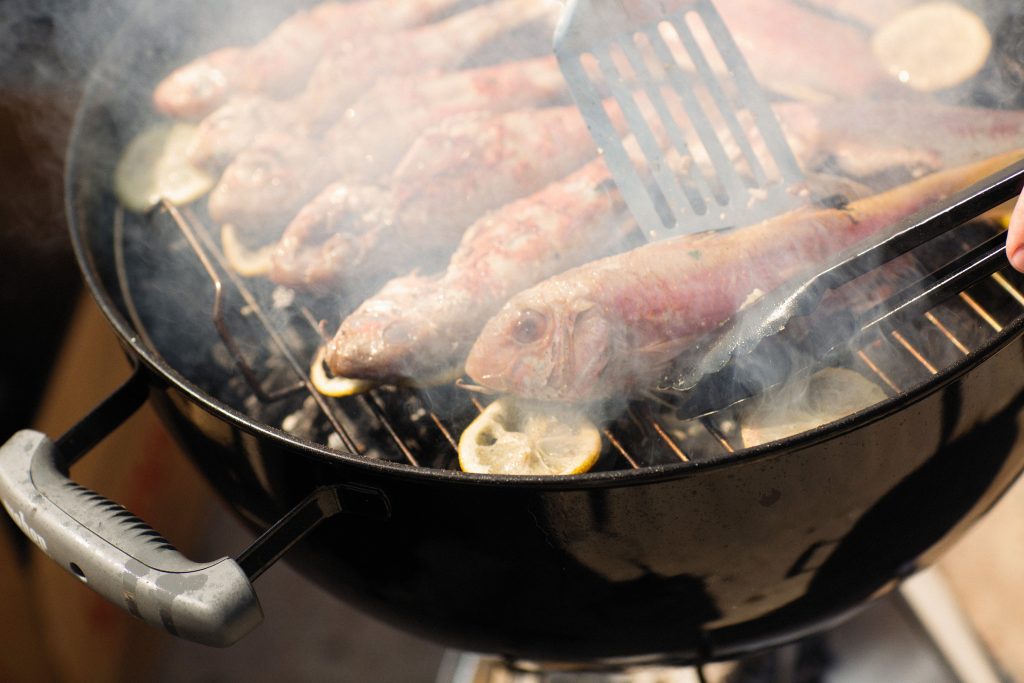
Open-ocean fish like Mahi-Mahi are excellent, low-risk alternatives to large reef predators when dining in the Caribbean.
📊 Safe Seafood vs. High-Risk Options
Navigating a seafood menu in the Bahamas does not mean you have to avoid fish entirely. You just need to choose species that do not dwell on coral reefs.
Seafood Choice
Risk Level
Why / Safety Profile
❌ Barracuda / Large Jack
Extreme Risk
Top predators with massive toxic accumulation.
❌ Large Black Grouper
High Risk
Older reef fish that feed extensively on toxic species.
❌ Large Red Snapper
Moderate-High
Safe when small, but risky if harvested from deep reefs.
✅ Mahi-Mahi (Dolphin Fish)
Safe / Low Risk
Open-ocean, fast-growing pelagic fish (not a reef dweller).
✅ Tuna and Wahoo
Safe / Low Risk
Deep-sea predators that live far away from coral reefs.
✅ Fresh Bahamian Conch
Safe / Low Risk
Feeds on clean seagrass; just watch for knife contamination.
📋 3 Questions to Ask Your Waiter Before Ordering
To protect yourself at a restaurant, do not be afraid to advocate for your health. Ask your server these three precise questions before ordering the catch of the day:
“What specific type of fish is the catch of the day, and was it caught on the deep ocean or near the reef?” (You want pelagic, open-ocean fish like Mahi-Mahi or Tuna).
“How large was the fish this fillet was cut from?” (You want to hear that it was a small, young fish, not a giant trophy catch).
“Is this fish locally known to be sourced from areas with active algal blooms?” (Local fishermen keep close tabs on which reefs are currently running “hot” with toxins).
While protecting yourself from reef-based toxins like Ciguatera is crucial, your safety awareness shouldn’t stop there. Whether you are navigating the bustling night markets or exploring local culinary gems, understanding the broader landscape of food hygiene is key. For instance, if you are planning to head to Asia after your Caribbean trip, you’ll find that street food safety works quite differently. I’ve put together a comprehensive guide on navigating Bangkok street food safety to help you distinguish between local delicacies and potential health pitfalls. Additionally, if you are a first-time visitor, learning from the common mistakes first-timers make in Thailand can save you from a lot of unnecessary stress and ensure your focus remains entirely on the incredible flavors of the world.”
⚕️ Caribbean Cruise Port Food Safety Expert Checklist
If you do happen to ingest the toxin, symptoms can appear anywhere from 30 minutes to 6 hours later. Pack these items and follow these steps for your trip:
🧴 Hand Sanitizer: Always sanitize before eating raw seafood to eliminate standard bacterial risks.
🤢 Monitor Symptoms: Watch for the classic sign—temperature reversal (hot items feeling freezing cold, and vice versa).
🧃 Hydration Packets: Keep oral rehydration salts in your daypack to combat the severe vomiting and diarrhea that precede the nerve symptoms.
🏥 Seek Emergency Care: If your fingers tingle or you experience extreme dizziness, visit the nearest medical clinic immediately and explicitly tell the doctor you ate reef fish.
💬 Frequently Asked Questions (FAQs)
1. Does lime juice in ceviche or conch salad kill the toxin?
No. The lime juice merely cures the structure of the fish meat, making it look and feel cooked. It has absolutely no chemical effect on the structurally stable Ciguatera toxin.
2. Can I get Ciguatera from eating farm-raised fish?
No. Farm-raised fish are fed controlled commercial diets and do not feed on wild coral reef ecosystems, making them completely free of reef-born toxins.
3. What is the medical treatment for Ciguatera poisoning?
There is no definitive antidote for the poison. Treatment is purely supportive, focused on intravenous fluids for dehydration and specific medications to manage nerve pain and neurological symptoms.