Grabbing a loaf of soft, fluffy white bread from the grocery store shelf is a routine part of weekly grocery shopping for millions of American families. Whether it is for a quick morning toast or packing school lunches, packaged sliced bread is a staple in the United States. However, underneath that perfect texture lies a startling regulatory divide that leaves many international travelers deeply confused.
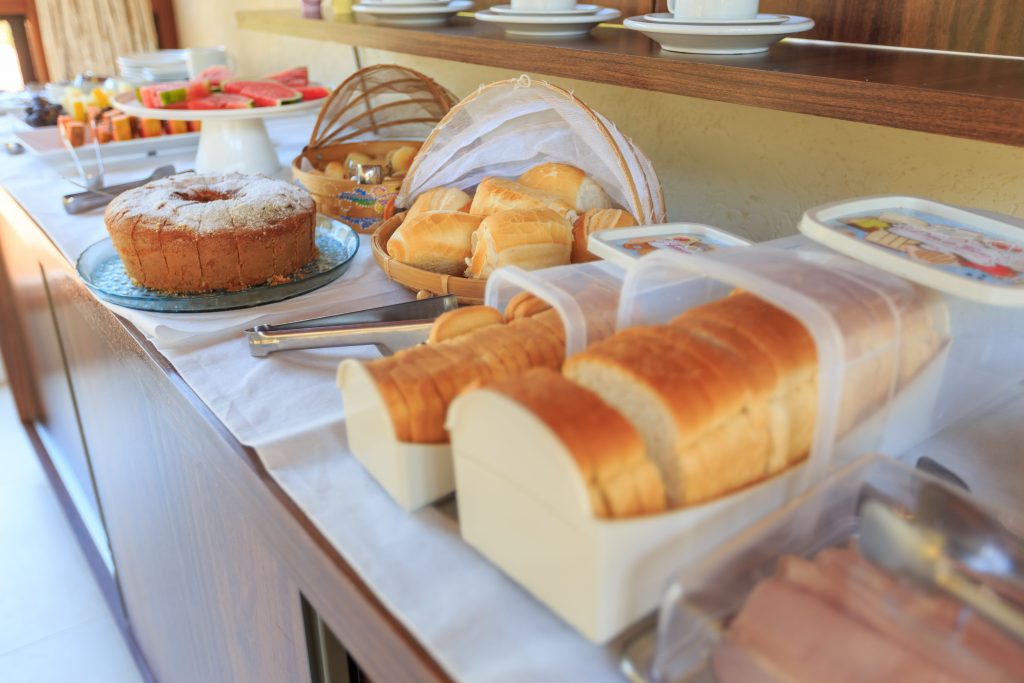
Why is US white bread banned in Europe? Standard American white bread often contains a chemical additive called potassium bromate, a dough conditioner that has been completely banned in the European Union, the United Kingdom, Canada, and even China due to its classification as a potential carcinogen. While European food authorities outlawed the chemical decades ago under strict consumer safety laws, the U.S. Food and Drug Administration (FDA) still permits its use in commercial baking, creating a massive gap in food safety standards.
For conscious shoppers trying to protect their gut health, understanding this chemical trap is essential.
📌 Quick Key Takeaways for Busy Shoppers
- The Core Danger: Potassium bromate is used in the US to artificially bleach flour, speed up baking times, and make bread expand excessively.
- The Global Ban: The EU banned this substance because health studies linked it to cellular and thyroid damage.
- The Shopping Solution: Consumers can avoid this chemical trap by looking for packages explicitly stamped with “Unbromated” or “Unbleached” labels.
The European Vacation Revelation: Reddit & Quora Insights
One of the most fascinating aspects of this food safety debate does not come from a lab, but from real-world travel experiences shared on digital communities like Reddit and Quora.
On popular subreddits like r/travel and r/AskEurope, a recurring thread pops up every summer involving American tourists visiting cities like Paris, Rome, or Munich. Vacationers frequently note that they can eat baskets of fresh baguettes, croissants, and local white bread in Europe without experiencing any of the heavy bloating, stomach inflammation, or sluggishness they typically face after eating a single sandwich back home in the United States.
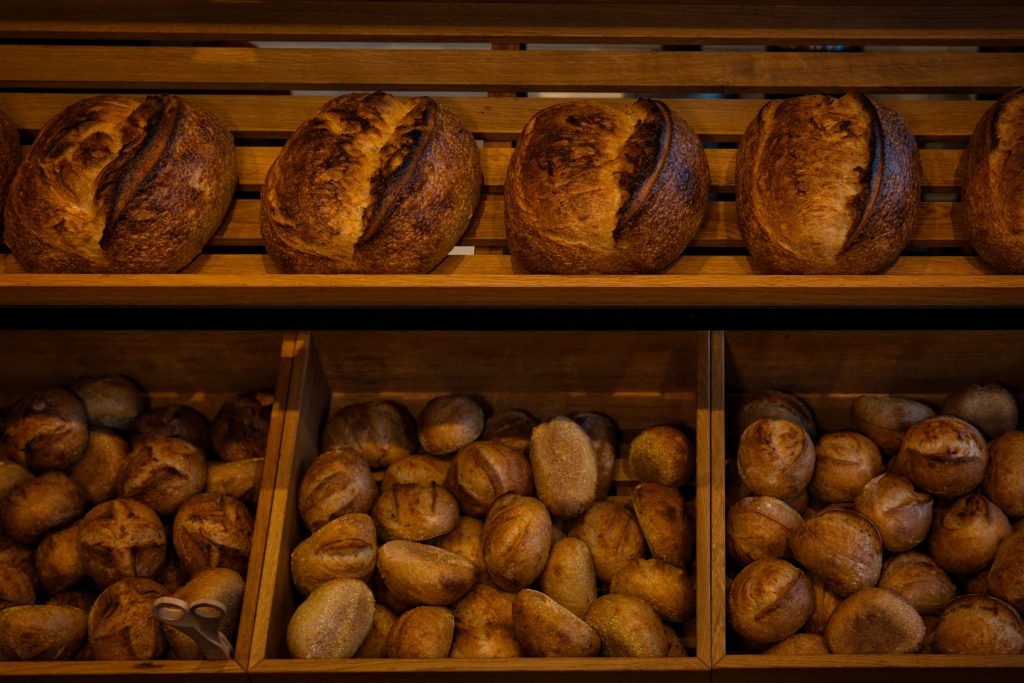
While many tourists initially assume they have a gluten sensitivity, seasoned travelers and expirates on Quora quickly point out the structural difference in flour processing. European bakeries rely on time, natural fermentation, and unbleached flour to develop dough structure. In sharp contrast, commercial baking in the United States often relies on fast-tracked chemical shortcuts like bromate to mimic that same fluffiness in a fraction of the time.
Staying informed about regional ingredient processing helps prevent unexpected holiday illnesses. Just as travelers must research safe dining rules when targeting a stomach-safe Bangkok street foods experience, understanding chemical variations in western staples is key to a smooth journey
.
The Science of the Bromate Trap: What is Potassium Bromate?
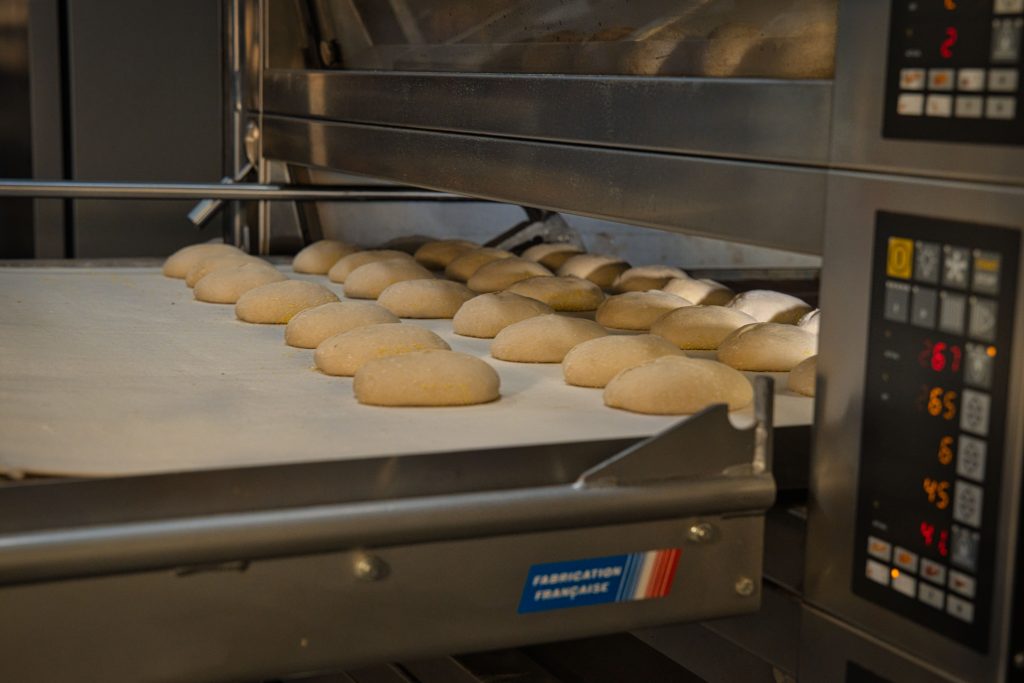
To understand why this additive is barred across Europe, one must examine its chemical function. Potassium bromate is an oxidizing agent. When added to industrial flour, it strengthens the dough, allows it to hold more gas, and helps it rise higher inside commercial ovens. This results in the ultra-pillowy, uniform texture that commercial American brands are famous for.
In an ideal baking scenario, the heat of the oven is supposed to completely convert potassium bromate into a harmless byproduct called potassium bromide. If the bread is baked long enough and at a high enough temperature, no trace of the original chemical should remain.
However, real-world testing tells a different story. If commercial bakeries rush the oven time, use lower temperatures to save energy, or add a fraction too much of the chemical to a large batch, residual amounts of active potassium bromate remain inside the final bread slices sold to consumers.
The World Health Organization (WHO) and the International Agency for Research on Cancer (IARC) have flagged the chemical as a potential human carcinogen. Long-term exposure has been shown to cause kidney issues and disrupt thyroid function, which prompted European regulators to enforce a zero-tolerance ban to eliminate any risk of accidental consumption.
Whether dealing with raw seafood or packaged wheat, ambient conditions dictate safety. For example, learning hawaii poké bowl safety rules teaches travelers how tropical humidity compromises raw fish, which mirrors how rushed commercial oven temperatures fail to burn off industrial dough toxins.
💡 PRO TIP: If a package of white bread or hamburger buns has an incredibly long shelf-life and feels unnaturally squishy like a sponge, it is a major visual indicator that heavy dough conditioners and chemical preservatives were used to fast-track the baking process.
The Label Cheat Sheet: How to Spot Bad Bread on US Shelves
Because the FDA does not enforce a national ban, the burden of food safety falls entirely on the consumer. Finding clean, chemical-free bread in a standard American supermarket requires knowing exactly how to scan the ingredient label.
1. Look for the “Unbromated” Stamp
High-quality baking brands that take pride in clean ingredients will proudly print “Unbromated” or “Unbleached” on the front of the packaging. If a brand uses organic flour, potassium bromate is automatically prohibited by USDA organic standards.
2. Check for Hidden Pseudonyms
Flip the bread package over and read the fine print under the ingredients list. Look out for these specific chemical red flags:
- Potassium Bromate
- Bromated Flour
- Enriched Bromated Flour
3. Identify the “California Exception”
In the United States, California is the only state that requires a mandatory cancer warning label on food items containing potassium bromate. Because large corporate brands do not want to print separate warning labels just for one state, many national bread companies have quietly switched to unbromated flour for their entire US distribution line. However, regional, low-cost store brands in other states still utilize the cheaper, bromated alternatives.
Protecting your digestive system from aggressive agricultural chemicals requires the same diligence as monitoring water purity abroad. Tourists verifying grocery labels stateside share the same defensive mindset as vacationers researching whether to eat raw veggies in Cancun resorts to protect themselves from contaminated local tap water.
US Supermarket Bread Safety Breakdown
| Bread Category | 🟢 Safe Choice (Buy This) | 🔴 Red Flag (Avoid This) |
|---|---|---|
| Flour Processing | 100% Unbleached, Unbromated Flour | Enriched Bromated Flour / Bleached Flour |
| Certifications | USDA Certified Organic / Non-GMO Verified | No organic certification with zero label transparency |
| Ingredient Length | 4 to 6 simple ingredients (Flour, water, yeast, salt) | Long lists containing azodicarbonamide or dough conditioners |
| Baking Integrity | Traditional sourdough or long-fermentation loaves | Mass-produced, ultra-cheap white sandwich bread |
The Clean Bread Solution: Making Safely at Home
For families looking to completely eliminate industrial chemical exposure from their daily diets, moving away from mass-produced commercial white bread is the most effective solution.
Sourcing Organic Flour Alternatives
The easiest upgrade is switching to unbleached heritage flours. Trusted brands like King Arthur Baking Company or Bob’s Red Mill offer premium, completely unbromated unbleached white flours. Sourcing these certified flours allows home bakers to recreate the classic, soft textures of traditional European breads right in an American kitchen, free from any residual chemical stabilizers. Detailed testing records and compliance frameworks regarding food chemicals can be referenced directly on the U.S. Food and Drug Administration (FDA) portal.
The Rise of the Home Bread Maker
Because modern schedules leave very little time for manual dough kneading and multi-hour fermentation rises, many health-conscious households are investing in automated kitchen appliances. Utilizing an automatic home bread maker machine allows users to simply dump clean, organic ingredients into a basket, press a single button, and wake up to a freshly baked, completely chemical-free loaf of bread every morning. For comprehensive consumer global health statistics on long-term chemical additives, the official World Health Organization (WHO) database provides global industry data.
💡 PRO TIP: When baking bread at home using unbromated flour, adding a tablespoon of natural apple cider vinegar or real grass-fed butter acts as a natural dough conditioner, giving the bread that soft, commercial-style texture without any artificial additives.
Frequently Asked Questions (FAQs)
Q: Does baking completely destroy the potassium bromate in American bread?
A: Under perfect laboratory conditions, yes. However, in mass-production industrial factories, variations in oven temperatures, baking times, and flour mixing ratios frequently leave traceable, active amounts of the chemical in the final product.
Q: Why hasn’t the FDA banned potassium bromate nationwide?
A: The FDA originally approved the chemical before modern carcinogen testing was established. Currently, the agency maintains that residual amounts left after baking are negligible, though they actively encourage bakeries to seek safer alternatives.
Q: Are organic breads in the US safe from this chemical?
A: Yes. Any bread carrying the official USDA Certified Organic seal is legally prohibited from using potassium bromate, bleached flour, or synthetic chemical dough conditioners at any stage of production.