Exploring the vibrant culinary landscape of South Asia is a dream for many Western travelers. However, a common question always arises: Is street food in India safe for sensitive Western stomachs? While the country offers world-class flavors, certain high-risk items can easily derail your travel itinerary. This fluff-free guide breaks down exactly which street foods you should avoid to guarantee a safe, stress-free, and authentic vacation.
Pani Puri Risk (The Untreated Water Hazard)
Pani Puri is arguably India’s most beloved street snack, consisting of hollow crispy shells filled with potatoes and spiced water. However, it poses the highest health risk for US tourists. The primary concern is the water used to make the spicy broth. If a vendor uses unboiled tap water, your risk of contracting a severe stomach bug or waterborne illness skyrockets instantly.
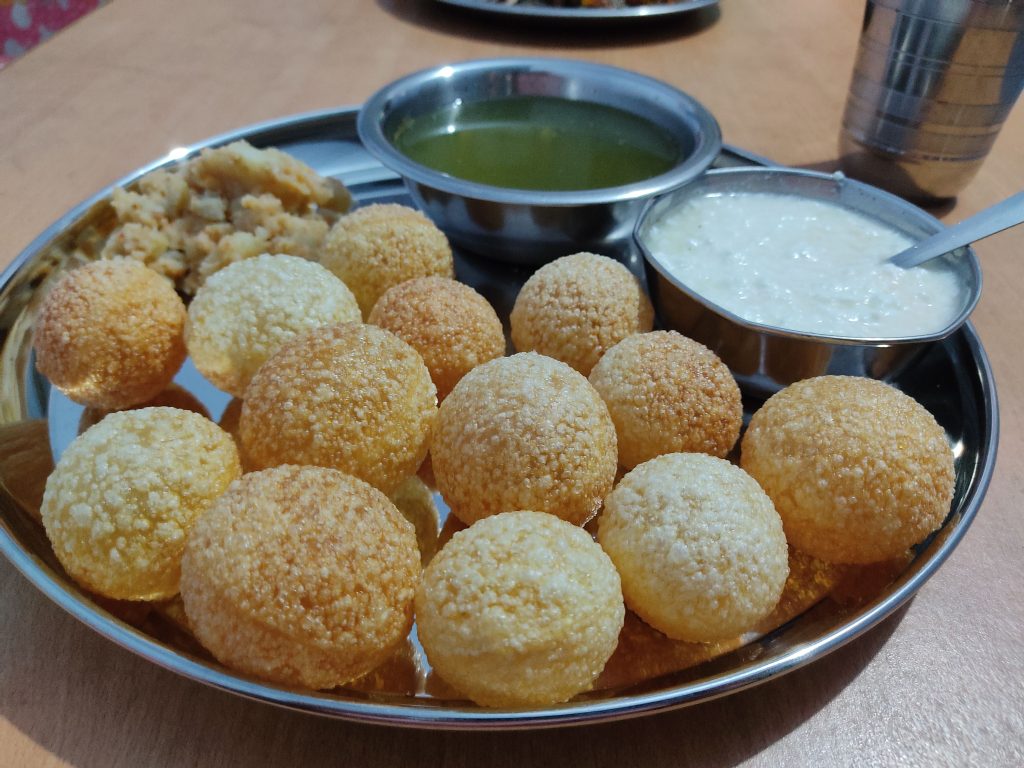
- Water source uncertainty: Most roadside stalls do not use mineral or RO-filtered water for their street snacks.
- Bare-hand preparation: Vendors frequently dip their bare hands directly into the large water pots to fill the puris.
- The safe alternative: Look for high-end, air-conditioned restaurants or clean food courts inside mega-malls to try this dish safely.
Pro-Traveler Tip: If you want to taste authentic street flavors safely, use the Zomato or Swiggy app on your phone. Filter for restaurants with a hygiene rating of 4.0+ and order “Delhi-style Golgappa” or “Pani Puri” right to your hotel room.
Food safety is a major concern for international travelers in South Asia. Just like understanding [water safety and ice in Bali], knowing what to avoid in India will keep you healthy…”
Pre-Cut Fruits (The Stagnant Bacteria Trap)
When walking through bustling markets in Mumbai or Delhi, vibrant displays of sliced mangoes, watermelons, and papayas look incredibly refreshing. However, pre-cut fruits sitting out in the open air are a major red flag for anyone wondering is street food in India safe. The intense heat combined with poor fly control creates a breeding ground for harmful bacteria.
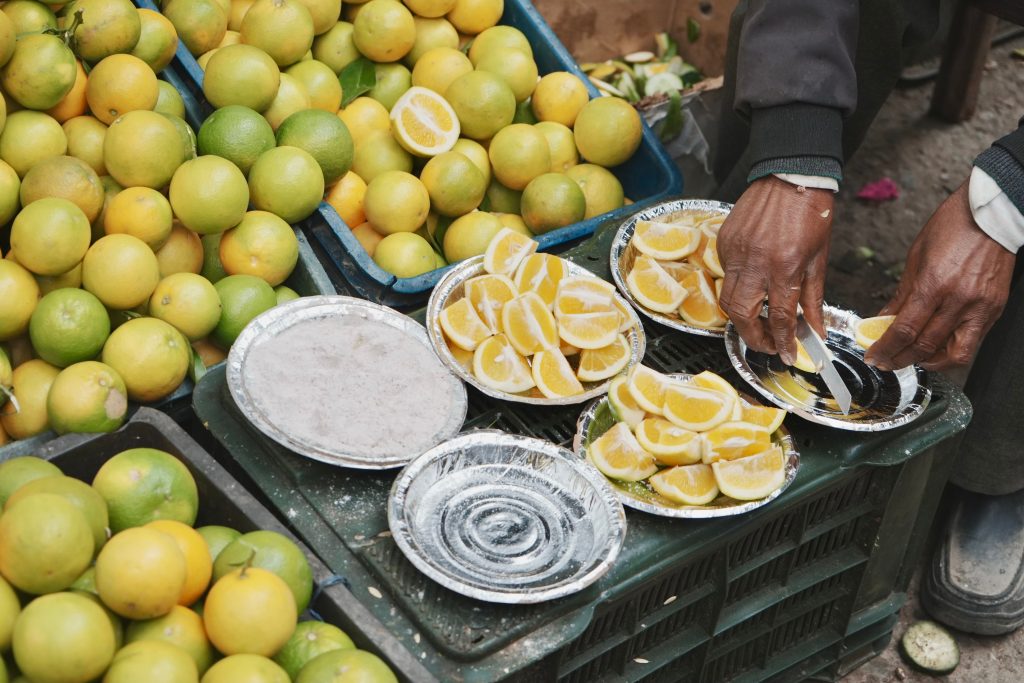
- Exposed surfaces: Sliced fruits gather road dust, pollution, and insects for hours before they are sold.
- Contaminated knives: Vendors often wash their knives and cutting boards in stagnant buckets of dirty water.
- The safe alternative: Only purchase whole fruits with thick, protective skins—like bananas, oranges, or pomegranates—and peel them yourself.
Pro-Traveler Tip: Visit a local supermarket chain like Reliance Fresh or Big Bazaar to buy pre-washed, safely packaged whole fruits. This keeps your budget intact and completely bypasses roadside contamination.
Ice Gola Dangers (The Unregulated Freezing Trap)
An Ice Gola is a popular Indian crushed-ice popsicle drizzled with colorful, sweet syrups. While it seems like the perfect budget hack to beat the scorching tropical heat, it is highly dangerous for Western travelers. The issue lies in the origin of the ice blocks used by roadside vendors, which are rarely made from purified drinking water.
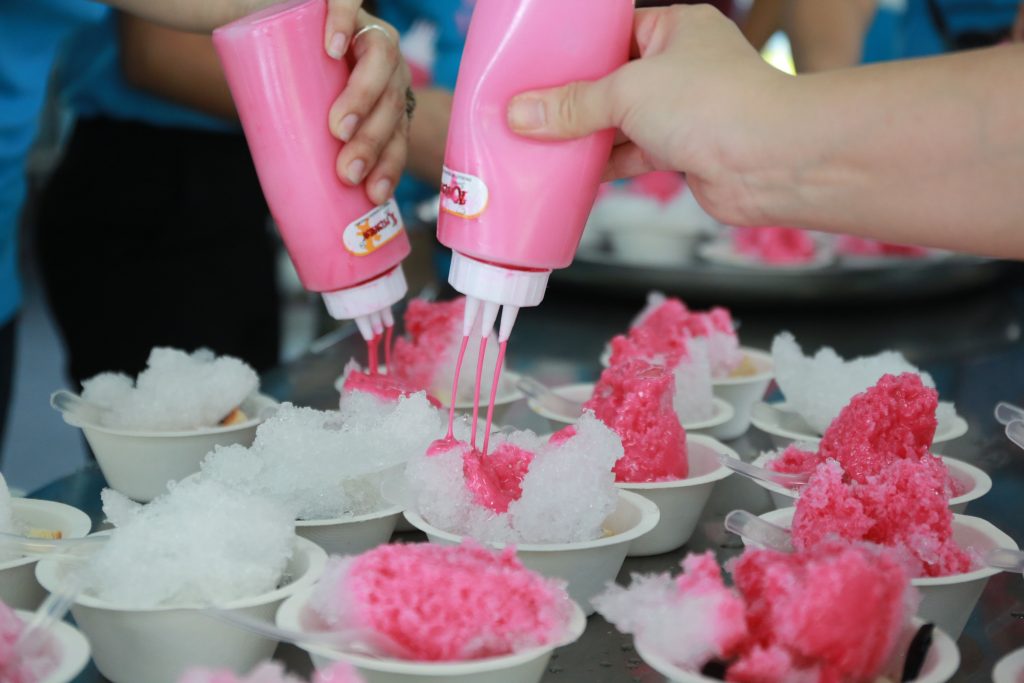
- Commercial cooling ice: Roadside stalls often buy cheap, industrial-grade ice blocks meant for food preservation, not human consumption.
- Contaminated transport: These massive ice blocks are frequently dragged across dirty floors during transit to the street cart.
- The safe alternative: Satisfy your sweet tooth by opting for factory-sealed ice creams from trusted national brands like Amul or Kwality Wall’s.
Pro-Traveler Tip: To beat the heat safely, order a chilled glass of fresh Coconut Water (Nariyal Pani) from a street vendor. Ensure they chop the top off a fresh green coconut right in front of your eyes using a clean machete.
Roadside Kebabs (The Under Cooked Meat Risk)
Indian spiced meats like chicken tikkas and mutton seekh kebabs are incredibly flavorful, but buying them from open-air roadside stalls requires extreme caution. Meat safety relies heavily on strict temperature controls, which are virtually non-existent on a busy sidewalk.
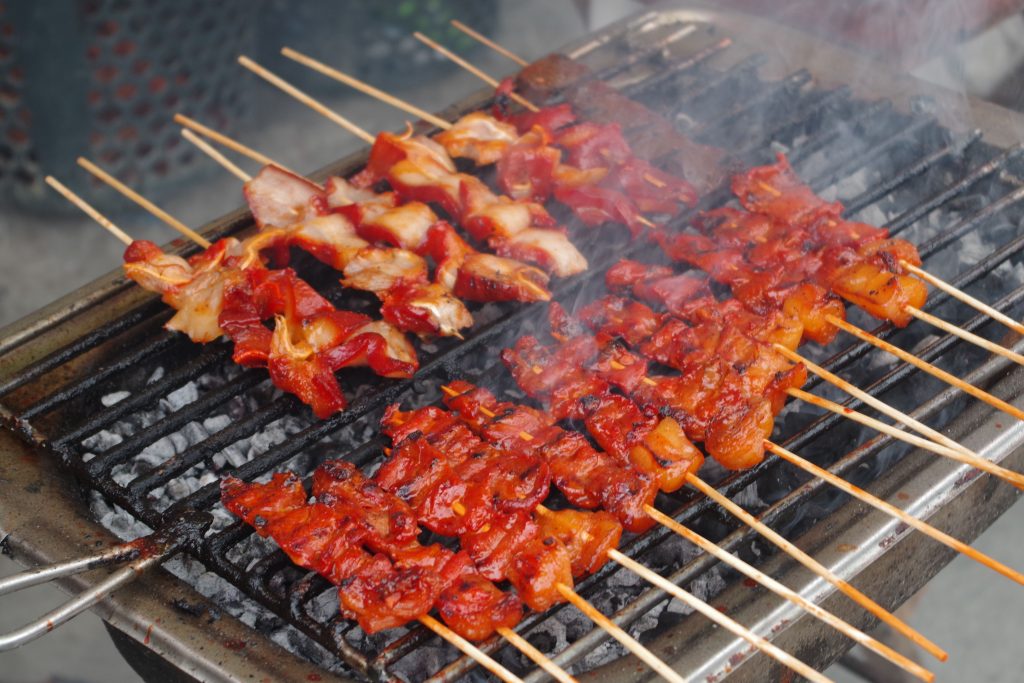
- Lack of refrigeration: Raw meat often sits exposed on skewers in the heat for hours before hitting the grill.
- Deceptive charring: High-flame charcoal grills can quickly burn the outside of a kebab while leaving the inner core undercooked and dangerous.
- The safe alternative: Choose busy, permanent local restaurants with high customer turnover where the meat is grilled fresh to order in indoor kitchens.
Pro-Traveler Tip: To find reputable, safe meat spots, check the curated food guides on TripAdvisor or look for restaurants recommended by local food bloggers. Always ensure the meat is steaming hot all the way through before taking your first bite.
Unpasteurized Dairy (The Fresh Lassi Pitfall)
A thick, creamy glass of sweet Lassi (yogurt drink) or a bowl of Rabdi sounds like a heavenly authentic culinary experience. However, dairy products sold on the street are a massive gamble for international tourists. Many local vendors source raw, unpasteurized milk from local farms, which contains bacteria that your Western digestive system is simply not equipped to handle.
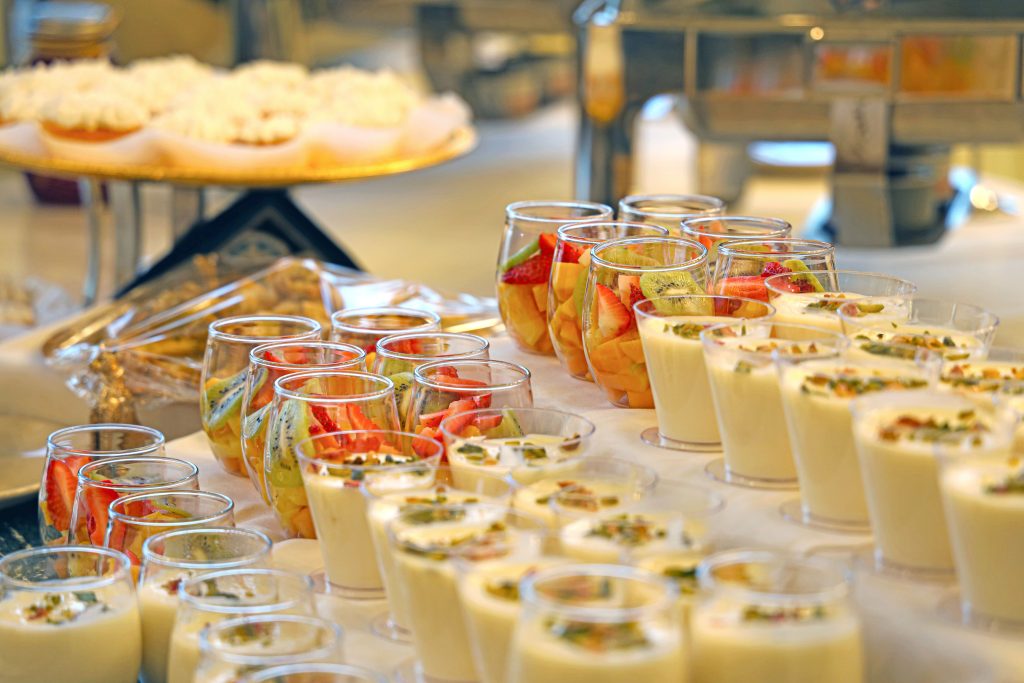
- Lactose and hygiene issues: Unpasteurized milk spoils incredibly fast in high temperatures, leading to instant stomach upset.
- Contaminated clay cups: Traditional clay cups (kulhads) can sometimes collect dust and dirt if stored incorrectly on the street.
- The safe alternative: Buy packaged lassi, yogurt, and buttermilk from reputable brands at local convenience stores.
Pro-Traveler Tip: When craving dairy, look for an official Amul parlor or Mother Dairy kiosk. These are government-regulated, highly hygienic outlets that sell perfectly pasteurized, chilled dairy products for less than a dollar.
Final Thoughts: Travel and Eat with Confidence!
Asking yourself is street food in India safe doesn’t mean you have to miss out on the country’s legendary food culture. India is a paradise for food lovers, and by simply steering clear of these 5 specific high-risk street items, you protect your health while keeping your travel budget perfectly intact. You can still enjoy hot, safely fried street snacks like samosas and fresh kachoris straight from a boiling oil vat! Pack your sanitizer, stick to bottled water, and get ready to experience the incredible warmth and culinary brilliance of India safely and professionally.