Planning a trip to France and wondering about the local dining etiquette? One of the most common questions travelers ask is whether it is safe and legal to drink tap water in paris restaurants.Dining at a classic Parisian bistro is a dream for many Western travelers. However, when the final bill arrives, many US tourists are shocked to see a €7 to €10 ($7.50 to $10.75) charge just for water. Restaurant staff in high-tourism zones frequently exploit a traveler’s lack of local knowledge to boost the table check. Understanding the paris restaurant tap water secrets is essential to protecting your travel budget while enjoying French hospitality, just like knowing where to spend and save when navigating our ultimate NYC New Jersey food guide. This practical guide gives you the exact legal facts and language tips needed to get free water without the awkwardness.
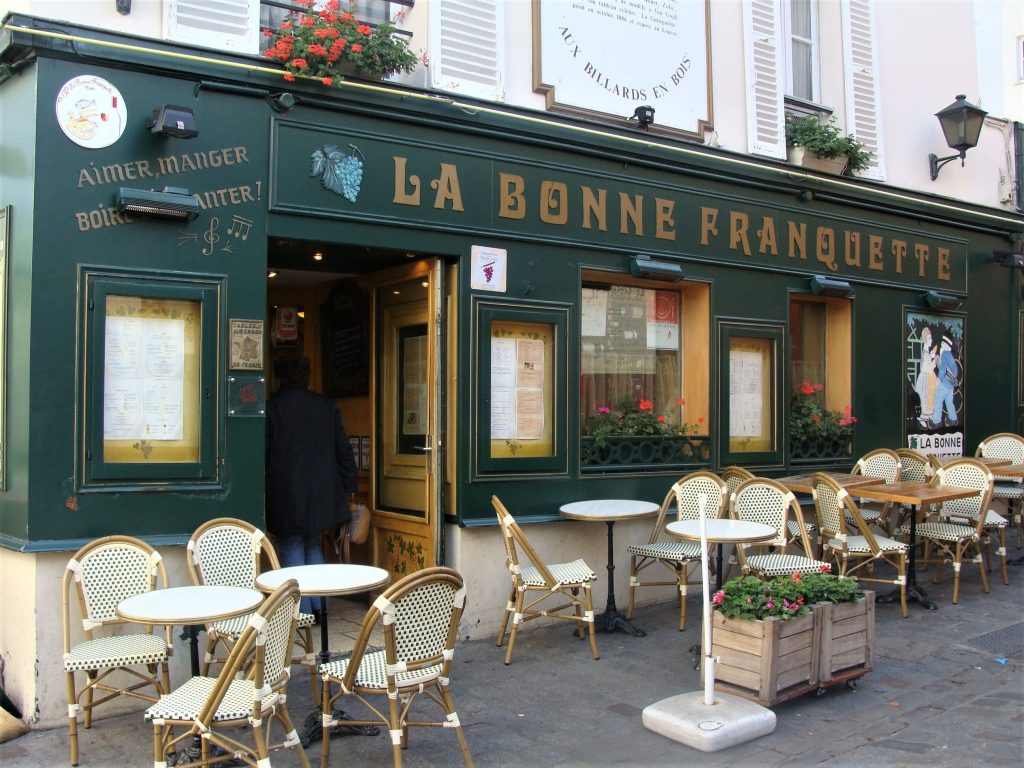
The French Tap Water Paradox: Pristine Pipes vs. Restaurant Policies
Paris has some of the cleanest, safest, and most heavily monitored municipal tap water in the world. The city’s underground water infrastructure is a masterpiece of engineering, making the water perfectly crisp and delicious to drink straight from the faucet.
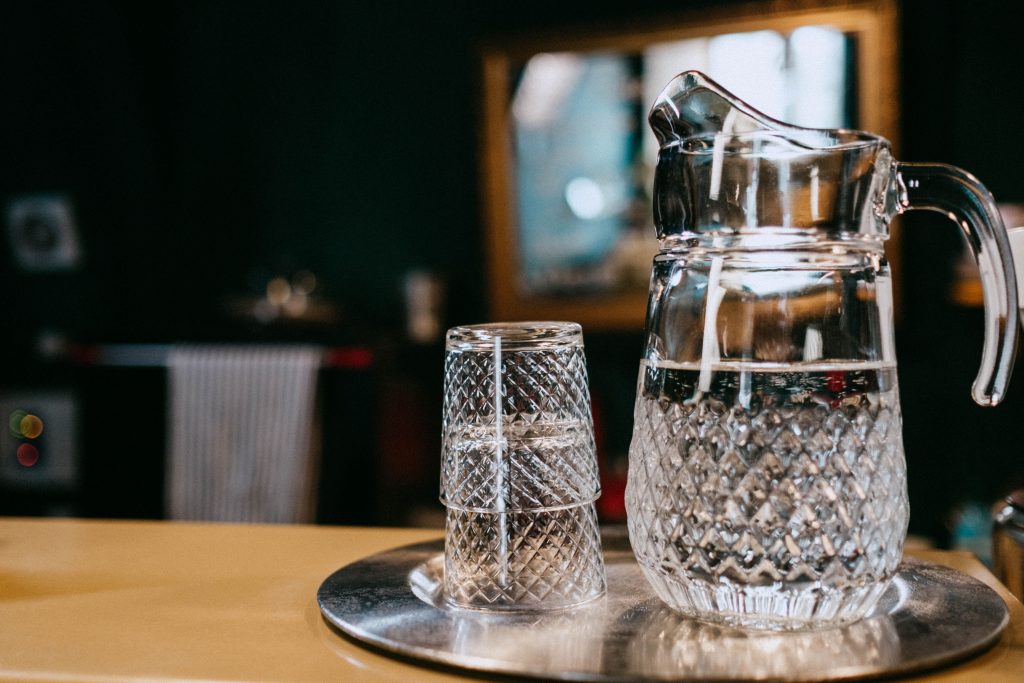
The paradox lies in how restaurants handle this resource. While the water is safe and free, restaurants prefer to sell expensive, branded glass bottles of Evian, Badoit, or San Pellegrino to increase their profit margins on international tourists.
- World-Class Quality: Parisian tap water goes through multiple filtration stages and is rich in natural minerals.
- The Profit Focus: Beverage markups are where small bistros make a significant portion of their daily revenue. A single bottle can easily add €8 ($8.60) to your final tab.
- The Tourist Target: Servers often assume North American travelers prefer bottled water automatically and will not ask for the free option.
💡 Pro-Traveler Tip: Never say the word “water” or “mineral water” alone to a French server. This vague request gives them the legal right to open a premium, expensive bottle of commercial water for your table.
Why Parisian Waiting Staff Avoid Offering “Carafe d’eau” to Tourists
It is a common complaint among tourists that French servers seem hesitant or slow to bring plain tap water to the table. This behavior is rarely about rudeness; it is a calculated business practice.
When a server asks, “Sparkling or still?” they are offering two options that both cost money, often racking up €7 – €10 ($7.50 – $10.75) per bottle. By avoiding the mention of free tap water, they successfully guide tourists toward a paid addition to the meal. Recent travelers report that servers in crowded areas like the Eiffel Tower or Louvre districts use this subtle pressure daily.
- The Fast Question: The “Sparkling or still?” question is designed to make you choose a paid option quickly.
- The Bottle Trick: Servers will often bring a pre-opened bottle to the table immediately, making it impossible to return and forcing you to pay those extra dollars.
- The Language Barrier: Staff take advantage of a tourist’s hesitation to speak French to push the premium menu items.
[ The Paris Water Decision Tree ]
    Server asks: "Sparkling or Still?"
         │
         ├── You answer: "Still" ──────────> Server brings €8 ($8.60) branded bottle
         │
         └── You answer the secret phrase ──> Server brings 100% FREE Carafe
💡 Pro-Traveler Tip: If a server brings a branded glass bottle to your table that you did not explicitly ask for by name, calmly request them to take it back before they pour it into your glass.
The One Specific French Phrase That Unlocks 100% Free Table Water
You do not need to feel embarrassed about asking for free water in France. In fact, it is protected by an old French consumer law dating back to 1967, which states that a glass or pitcher of water must be provided free of charge with any sit-down meal.
To unlock this right like a local, you must look your server in the eye and use one specific phrase: “Une carafe d’eau, s’il vous plaît” (pronounced: oon kah-rahf doh, see voo play).
- The Magic Word: Carafe specifies that you want a traditional, refillable glass pitcher filled straight from the tap.
- Instant Respect: Using this specific phrase signals to the waiting staff that you understand local dining customs and laws.
- No Added Cost: Legitimate establishments will bring this out immediately along with your basket of free table bread.
💡 Pro-Traveler Tip: Practice pronouncing this phrase before you enter the restaurant. Saying it confidently prevents the server from pretending they did not understand your request.
Sparkling vs. Still: Understanding the Hidden Water Costs on Your Bill
If you prefer carbonated or sparkling water, the situation works a bit differently. Free carafe water applies strictly to plain tap water.
If you order sparkling water (eau pétillante), it will always come in a commercial bottle and carry a hefty fee of €7 to €10 ($7.50 to $10.75). However, some modern Parisian cafes now feature special municipal taps that dispense chilled, carbonated tap water for free or a tiny flat fee.
- Eau Plate: This means flat, still water. Specify carafe d’eau to ensure it is free tap water.
- Eau Pétillante: Branded sparkling water (like Perrier or Badoit) that always incurs a charge on the final check.
- The Micro-Filter Trend: Some high-end bistros use their own filtering systems and charge a small €2 ($2.15) flat fee for unlimited house-filtered water. This must be clearly listed on the menu.
💡 Pro-Traveler Tip: Check the bottom of the printed menu for the phrase “Prix net, service compris”. This ensures all local taxes and service fees are included in the listed price of your food and drinks.
Bill Audit: How to Spot a Sneaky Water Scam Before Paying Your Check
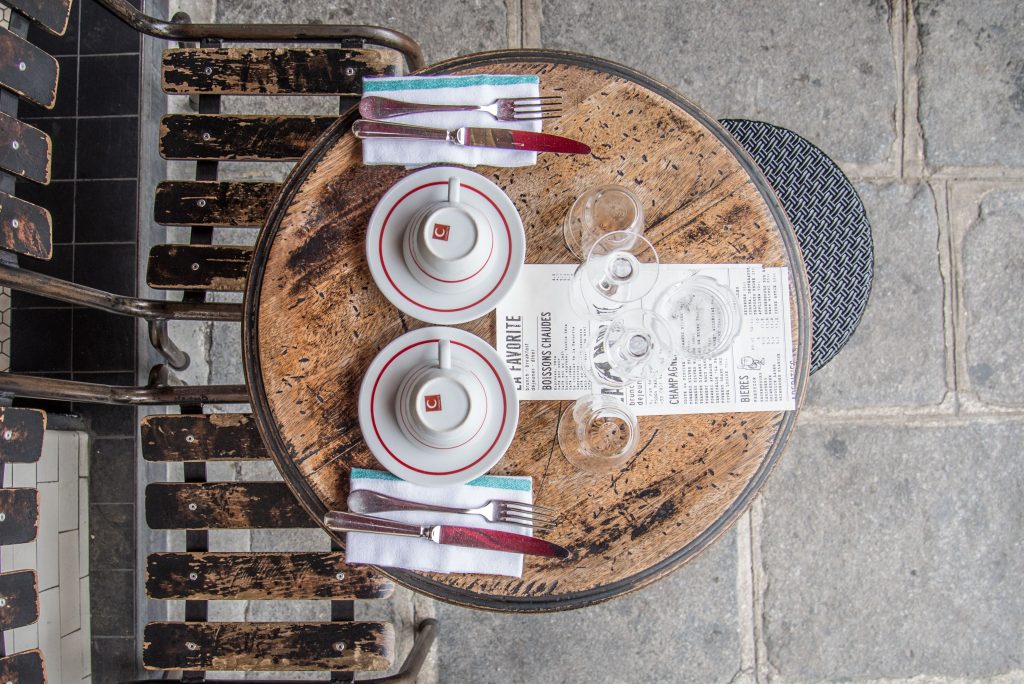
Before you lay down your credit card or cash, take 30 seconds to audit the itemized receipt (l’addition). If you ordered a free carafe d’eau, ensure there is no line item charging you for water.
Look closely for generic terms like Supplement Eau or charges listed under commercial brand names you did not consume. If you spot an error that adds an extra €7 or €10 ($7.50 or $10.75) to your bill, simply point to the line and calmly tell the server, “Je pense qu’il y a une erreur ici” (I think there is a mistake here).
- Itemized Receipt: Always ask for the printed, itemized receipt, not just a handwritten total slip.
- Check the Brands: Ensure a premium bottled brand was not added to your bill by mistake during a busy shift change.
- Polite Firmness: French restaurant management will quickly correct the bill if they see you are paying close attention to the details.
💡 Pro-Traveler Tip: Keep a digital copy of your restaurant receipts using your smartphone camera. If you ever need to dispute a double charge with your US credit card company later, you have clear physical proof.
Conclusion
Mastering local dining customs allows you to enjoy world-class French cuisine without overpaying for basic necessities. Confidently using the right phrases and understanding your consumer rights is the ultimate way to navigate the paris restaurant tap water secrets successfully.
Save your travel funds for great pastries and historic sights, dine like an experienced insider, and let The Foods and Travel keep your global journeys smooth and affordable.
Note: Currency conversion rates (EUR to USD) fluctuate daily. The prices mentioned are estimates and may vary slightly depending on the current exchange rate and individual restaurant pricing.