The air in a Bangkok night market hits you like a physical wall. Heavy smoke from charcoal grills hangs in the humid night, laced with the sharp aroma of fish sauce, crushed chilies, and sweet coconut milk. Flames erupt from gas-powered woks, hissing loudly as meat hits hot iron, surrounded by foot traffic, motorbikes, and plastic stools. For many Western tourists, this incredible food scene triggers severe anxiety about “Bangkok Belly” or crippling food poisoning that can instantly ruin a vacation. You do not have to isolate yourself in expensive, bland hotel buffets to stay healthy. By understanding how local vendors operate, you can confidently hunt for stomach safe bangkok street foods and experience the absolute best culinary culture on the planet without spending your trip inside a bathroom.
Why Tourists Get Sick in Thailand (And the Secret Checklist Locals Use to Avoid It)
A pervasive myth among international travelers is that local Thai chilies or exotic spices are the direct cause of food poisoning. The reality is that your stomach might experience mild adjustment cramps from heavy spices, but true, fever-inducing food poisoning comes from invisible structural hygiene issues.
According to longtime Bangkok expats and regional medical professionals on r/travel, the primary culprits are stagnant wash water, lukewarm ingredients left sitting in tropical humidity, and melting ice made from unregulated tap water. Local Thai residents do not use complicated apps; they use their eyes to run a fast mental checklist before ordering from any open-air setup
Local Thai residents do not use complicated apps; they use their eyes to run a fast mental checklist before ordering from any open-air setup. Just like watching out for the notorious [Phuket jet ski scam] on the islands, staying alert in Bangkok’s markets ensures your trip stays stress-free.”
- The Single-Bucket Trap: Watch how a vendor washes their bowls. If they dip plates into a single bucket of dirty, stationary water behind the stall instead of using running water, walk away immediately.
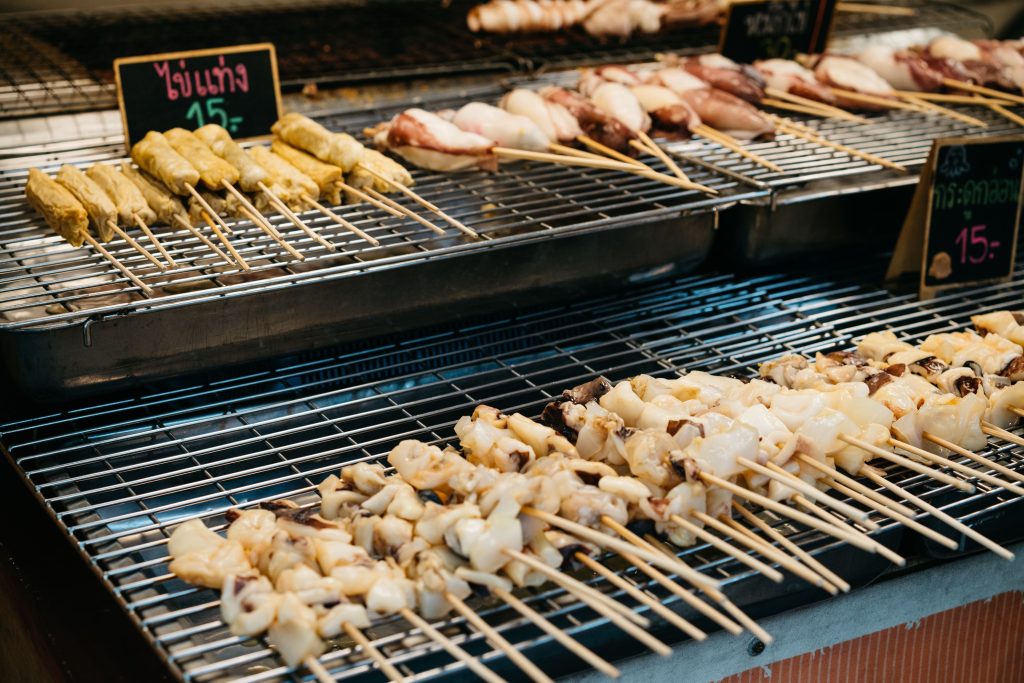
- The Lukewarm Danger Zone: Bacteria grow rapidly in tropical temperatures between 4°C and 60°C (40°F and 140°F). Raw shrimp, sliced pork, or pre-cooked seafood sitting exposed on trays without a solid bed of ice underneath are major health hazards.
- The Ice Question: Safe commercial ice factory blocks are always clear and machine-cut with a hollow tube down the center. Avoid irregular, crushed ice blocks that look like they were smashed by hand, as these are often transported in dirty burlap sacks and made from untreated tap water.
[ Sidewalk Vendor Risk Audit ]
├── High-Heat Wok / Rolling Broth ─────> 100% Pathogen Destruction
├── Pre-Sliced Seafood on Trays ───────> Rapid Bacterial Growth (AVOID)
└── Factory Tube Ice ──────────────────> Safe, Treated Water Source
💡 Pro-Traveler Tip: Look for the official, government-backed “Clean Food Good Taste” sign. This green logo featuring a smiling spoon is awarded by the Thai Ministry of Public Health to vendors who meet strict water filtration and raw ingredient storage standards.
5 Safe Street Dishes You Can Eat Anywhere in Bangkok Without Fear
Choosing stomach safe bangkok street foods does not mean you have to hide inside sterile, air-conditioned shopping mall food courts. Instead, it is about choosing traditional dishes whose core preparation process scientifically destroys pathogens through extreme temperature or natural barriers.
Stick to these five bulletproof street staples to enjoy world-class flavors for under $2 to $4 (approx. 70 to 140 THB) per meal:
1. Pad Thai (The Ultra High-Heat Wok Guarantee)
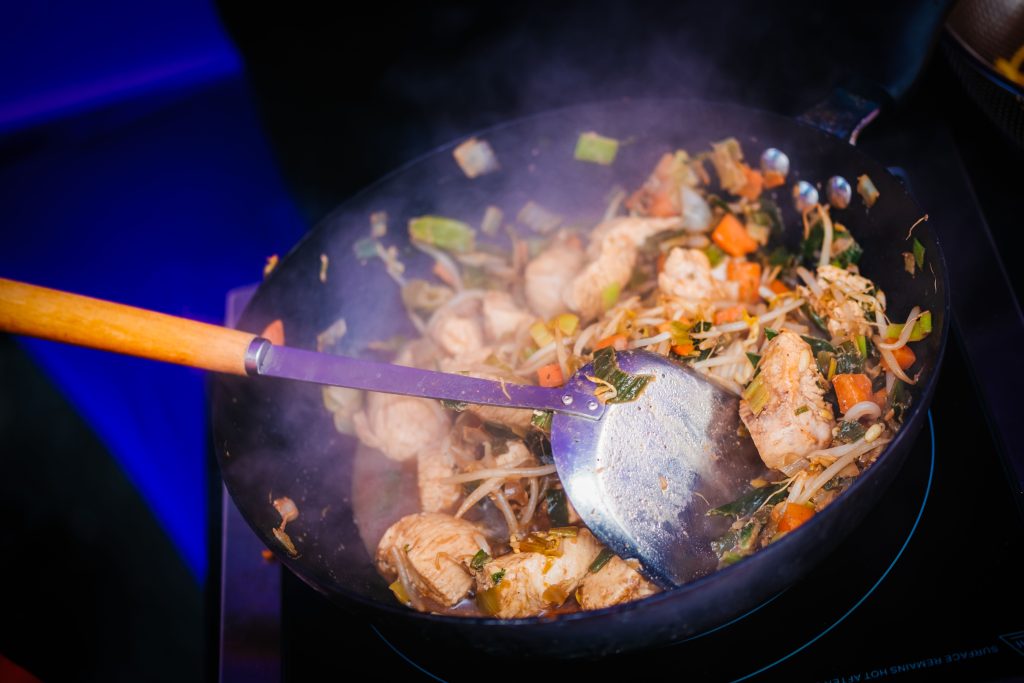
This iconic noodle stir-fry is one of the safest meals you can buy on a Bangkok sidewalk. The vendor tosses wide rice noodles, firm tofu, eggs, crushed peanuts, and fresh sprouts into a thin iron wok heated by a roaring gas flame. The entire mixture is flash-fried under intense, smoky heat right before your eyes. Because it goes directly from a sizzling, white-hot pan onto your plate, any potential bacteria are completely vaporized by the cooking process.
2. Mango Sticky Rice (The Golden “Peeled-On-The-Spot” Fruit Rule)
For a sweet treat, Khao Niew Mamuang is structurally incredibly safe. The sweet glutinous rice is heavily steamed in covered pots with rich coconut milk and sugar, keeping it safe from contaminants. The accompanying mango is protected from exhaust dust and flies by its own thick, unadulterated skin. Simply ensure you choose a stall where the vendor peels and slices the fresh fruit on the spot right after you pay, guaranteeing that no dirty water or stagnant knives touch the golden fruit flesh.
3. Grilled Skewers / Moo Ping (The Thoroughly Charcoal-Cooked Standard)
These sweet and savory marinated pork or chicken skewers are a staple of Bangkok breakfast and late-night street corners. They are grilled directly over glowing, white-hot hardwood charcoal grates. The intense radiant heat and wood smoke cook the thin strips of meat all the way through to the core. Only purchase skewers that are pulled directly off the hot metal grill grates. Avoid any pre-cooked skewers sitting cold and piled up under a glass display case, as flies can quickly target them.
4. Boat Noodles / Kuay Tiew Reua (The Rolling Boiling Broth Safety)
Served in small, concentrated bowls for around $0.60 to $1.20 (approx. 20 to 40 THB), boat noodles feature complex, herbal broths that have been simmering for hours. The secret to their safety lies in the massive metal vats built into the food carts. This liquid stays at a constant, aggressive, rolling boil throughout the night. When you order, the cook dips your rice noodles and greens into this boiling liquid using a mesh basket, instantly sterilizing every single ingredient before it hits your table.
5. Fresh Coconut Water (Nature’s Perfectly Sealed, Unadulterated Drink)
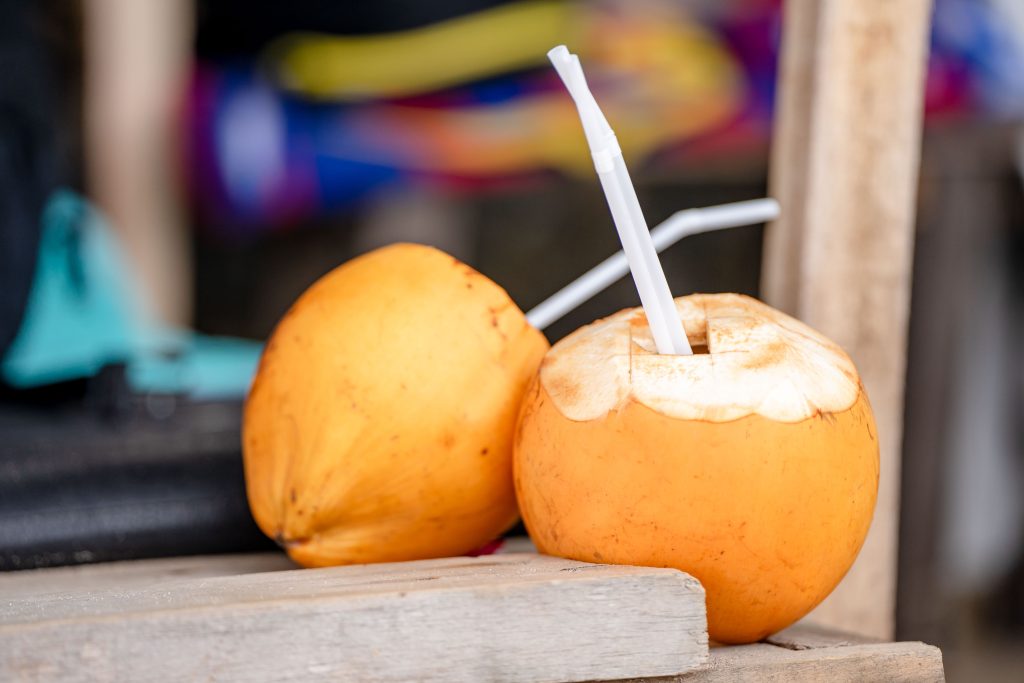
When the Bangkok humidity drains your energy, skip the colorful fruit juices mixed in bulk plastic jugs with local tap water. Instead, point to a stack of whole, green coconuts sitting on a bed of ice. A fresh coconut is nature’s own sterile container. The vendor will use a large machete to hack open the top right in front of you, providing a pure, electrolyte-rich drink that is completely untouched by local water systems or human hands.
[ Street Food Safety Formula ]
    Is the dish cooked right now over open flames?
         │
         ├── YES ───> Flashed-fried or boiling broth ───> 100% Sterile & Safe
         │
         └── NO ────> Sitting lukewarm in a tray ──────> Move to the next stall
💡 Pro-Traveler Tip: On travel forums like Quora, long-time culinary guides suggest carrying a pack of your own wet wipes. Street tables are wiped down using shared rags, so sanitizing your own hands before touching finger foods like sticky rice is an essential defense layer.
The vendor will use a large machete to hack open the top right in front of you, providing a pure, electrolyte-rich drink that is completely untouched by local water systems or human hands. If you are also planning a trip to Indonesia and want to stay equally protected, make sure to check out our complete breakdown on [Bali tap water ice safety] before you land.
The 5-Second Hygiene Inspection: How to Spot a Safe Food Vendor in Thailand
Before you sit down on a plastic stool or hand over your cash, take exactly five seconds to run a silent visual audit of the stall’s physical environment. Travel journalists and local food fixers look for three specific real-world indicators to guarantee safety:
- The Local Line Extension: Ignore Western review sites and simply look at the queue. If a stall is crowded with local Thai families, office workers, and school children, it indicates high generational trust. High foot traffic means the raw ingredients move incredibly fast, ensuring nothing sits out long enough to spoil.
- Stainless Steel Dominance: Choose food carts constructed from clean, bright stainless steel rather than worn, dark wood or stained plastic. Stainless steel is non-porous, easy to scrub down, and does not absorb stagnant food juices or moisture under the humid sun.
- The Financial Separation Rule: Look at the staff duties. At highly safe stalls, the person handling the greasy paper currency or digital QR codes never touches the physical food. If a solo vendor grabs your money with a bare hand and immediately uses that same hand to grab raw noodles, drop your change and find another spot.
Conclusion
You do not have to miss out on the greatest culinary adventures in Southeast Asia because of food safety fears. By keeping a strict high-heat standard, observing vendor turnover, and relying on nature’s own sealed ingredients, you can effortlessly outsmart the risks.
Trust the wisdom of the local crowds, enjoy the sizzling sounds of the evening stalls, and let The Foods and Travel guide you toward a thrilling, delicious, and completely stomach-safe journey through Bangkok.