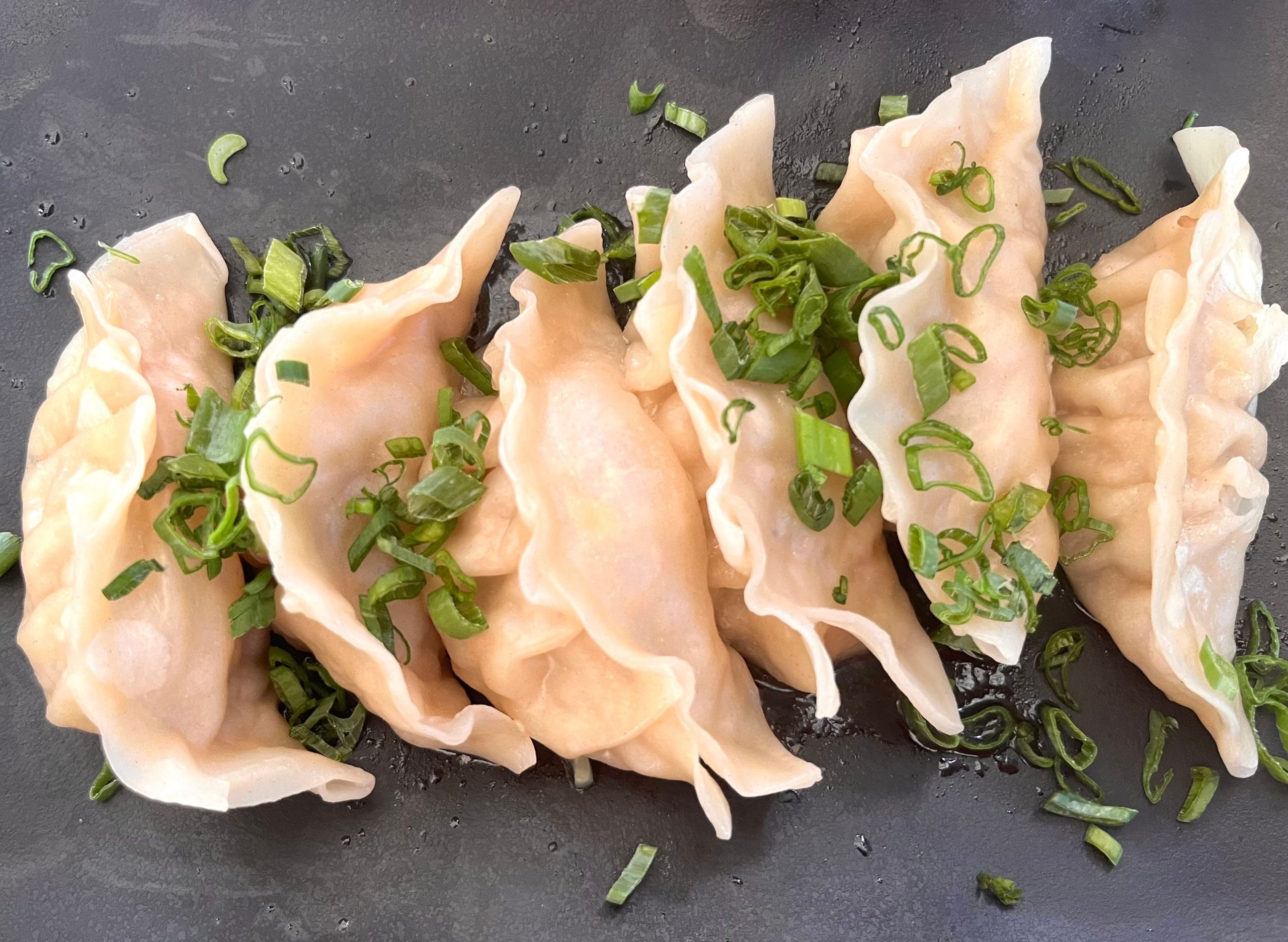
The sizzling sound of seasoned pork on a vertical spit, the sharp aroma of fresh cilantro, and the chatter of a busy sidewalk market define the ultimate culinary experience in Mexico. Missing out on authentic street tacos means missing out on the true heartbeat of Mexican culture. Yet, for thousands of North American tourists, approaching a local street vendor triggers an immediate wave of health anxiety. The fear of food poisoning, or the infamous bacterial stomach infection known as “Montezuma’s Revenge,” often forces travelers to stick to sterile hotel buffets instead of enjoying real local flavors.
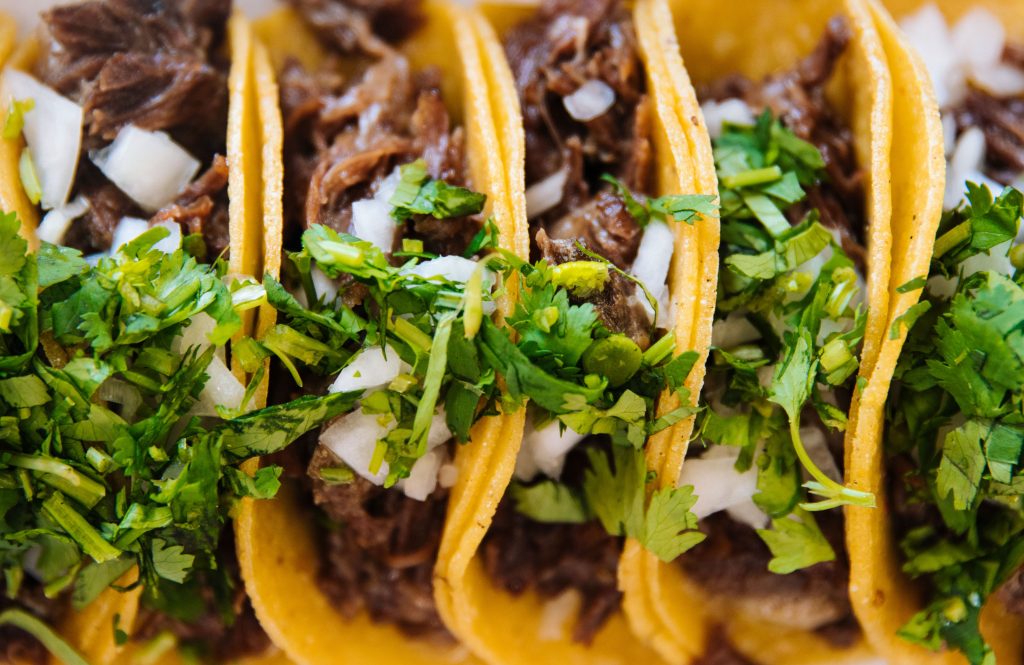
The widespread belief that all street food in Mexico is unsafe is a massive misconception that prevents tourists from experiencing world-class dining. Staying healthy while eating roadside food does not require a stomach of steel. It simply requires knowing how to read the hidden environment of a food stall. Learning exactly how to enjoy mexican street food without getting sick is the single best way to protect your stomach, save money, and experience the real culture of Mexico.
Key Takeaways
- The Crowd Rule: Choose stalls with long lines of local residents to guarantee the meat and ingredients are always fresh and never sitting out.
- The Heat Shield: Pathogens are instantly destroyed by scorching heat, making dishes served boiling hot or straight from an active grill entirely safe.
- The Real Culprits: Food poisoning rarely comes from the cooked meat itself, but rather from raw table salsas, unpeeled garnishes, and open-air salads.
The Hidden Math of a Busy Street Stall
When evaluating a street vendor, a long line of local customers is the single most powerful shield against bacteria. Many tourists assume that a quiet, empty street cart is cleaner or less risky, but in the world of food safety, the exact opposite is true.
Why Empty Carts Are Dangerous
- Stagnant Ingredients: An empty cart means the meat, chopped vegetables, and raw sauces have been sitting out at ambient tropical temperatures for hours.
- Bacterial Breeding Ground: Stagnant food creates a perfect environment for rapid multiplication of bacteria like E. coli and Salmonella.
Why Busy Stalls Are Safe
- High Food Turnover: At a popular taco stand, a single batch of marinated pork or beef is sliced, grilled, and served within minutes of being prepped.
- Freshness Guaranteed: The ingredients never have the chance to sit stagnant or spoil in the humid weather.
- Community Vetted: Local residents know exactly which vendors in their neighborhood maintain high standards; if a stall made locals sick, it would not survive in a competitive marketplace.
💡 Pro-Traveler Tip: Look for the “taxi driver test.” If you see local taxi drivers or police officers pulling over to eat at a specific cart, it means the food is cheap, incredibly delicious, and completely safe.
The Heat Shield: Why Cooking Temperature Matters
The golden rule of street dining is to always choose food that is cooked to order right in front of your eyes. Microscopic pathogens and foodborne bacteria cannot survive exposure to intense, direct heat.
How High Heat Protects You
- Instant Sterilization: When a vendor shaves seasoned pork directly from a flaming rotisserie grill into a fresh corn tortilla, or flips a beef skirt steak on a screaming hot flat-top grill, the food is effectively sterilized.
- Lower Contamination Risk: The risk of contamination drops to near zero the moment the food is thoroughly heated.
- Safe Cooking Styles: Dishes like crispy tacos, hot quesadillas, and freshly fried empanadas are statistically much safer than room-temperature buffet food.
Red Flags to Watch For
- Lukewalk Meat: Avoid any street carts where pre-cooked meats are piled up in large, lukewarm mounds on the side of the grill waiting to be served.
- Simple Action Plan: If the meat is not steaming hot when it is handed over, ask the vendor to toss it back onto the heat for a few seconds before eating.
💡 Pro-Traveler Tip: Always watch the chef cook your portion. Use the Spanish phrase “bien cocido” (pronounced bee-en co-see-do), which means “well done.” This ensures your meat spends extra time on the hot grill.
The Secret Danger: Raw Salsas and Table Garnishes
A fascinating insight frequently discussed on cooking subreddits reveals that meat is rarely the cause of foodborne illness at a Mexican street stall. The true, hidden danger almost always lies in the fresh table condiments and raw garnishes.
The Communal Counter Trap
- The Plain Serving: When a taco is ordered, it is typically served plain, allowing the customer to walk over to a communal counter to add their own toppings.
- High-Risk Toppings: This counter usually holds large bowls of raw green salsa, spicy red salsa, chopped onions, and fresh cilantro.
Why Table Toppings Fail the Safety Test
- The Raw Factor: These toppings are raw, meaning they have never been exposed to the sterilizing heat of a grill.
- Water Contamination: If the vendor washed the cilantro or tomatoes in unpurified local tap water, the bacteria transfers directly onto the leaves.
- Open-Air Exposure: These communal bowls sit completely uncovered out in the open air, exposed to flies, road dust, and hundreds of passing customers sharing the same serving spoons.
💡 Pro-Traveler Tip: Skip the communal raw salsas completely. Instead, use the fresh lime halves sitting at the stand. Squeezing raw lime juice over your tacos adds great authentic flavor, and the natural citric acid acts as an extra layer of antibacterial protection.
📊 Smart Substitutions Guide
Enjoying the culinary landscape of Mexico does not require avoiding street stalls entirely. It simply requires making smart, calculated choices based on how the food is handled and prepared. Use this quick reference guide to make smart ordering decisions:
| Street Food Option | Risk Level | Why / Safety Action Required |
| Tacos Al Pastor | Low Risk | Cooked continuously on a flaming spit and sliced fresh to order. |
| Tamales | Low Risk | Kept inside fully enclosed, boiling hot metal steamers all day. |
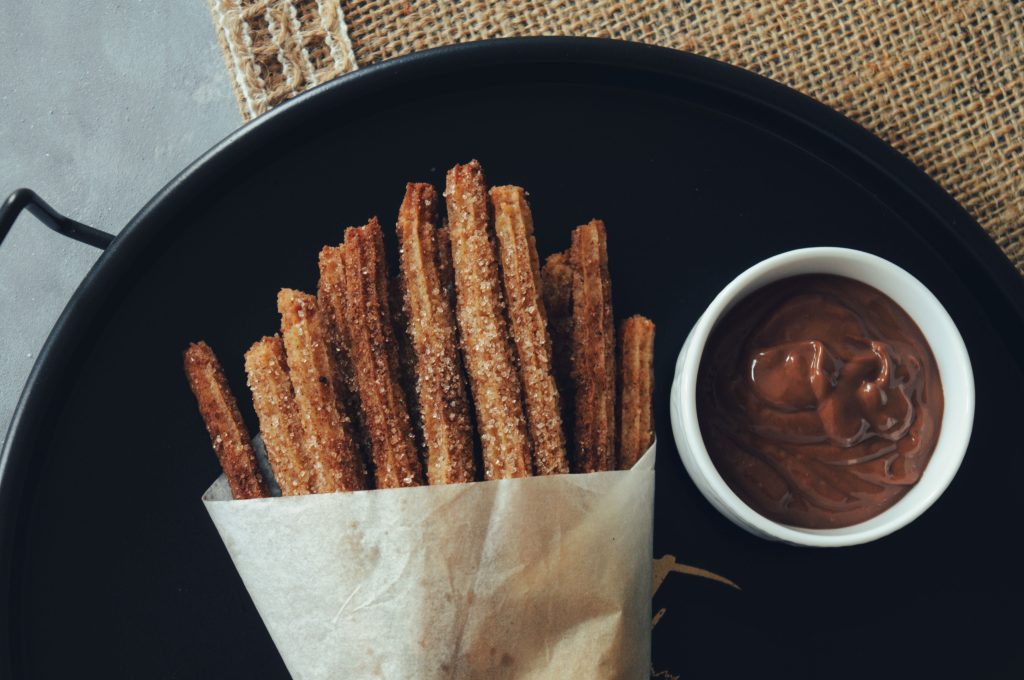
| Churros | Low Risk | Dropped directly into boiling oil, which kills 100% of pathogens. |
| Communal Raw Salsas | High Risk | Sitting in open-air bowls; replace with squeezed fresh lime juice. |
| Pre-Cut Fruits (Mango/Papaya) | Extreme Risk | Exposed to flies and road dust after the protective skin is removed. |
💡 Pro-Traveler Tip: If you want fresh fruit, buy it whole from a local market. Purchase whole bananas, mangoes, or avocados and peel them yourself using a clean pocket tool or your hands
📋 3 Practical Signs of a Safe Mexican Food Stall
Before ordering a meal, spend thirty seconds observing the vendor’s operations. This quick mental checklist is the most effective strategy for how to enjoy mexican street food without getting sick:
- Separation of Money and Food: Look for stalls where one specific person handles the physical cash, while a completely separate person handles the food using tongs or plastic gloves. Bills and coins carry millions of microbes. A chef who touches dirty money and then touches a fresh tortilla is a major red flag.
- Enclosed Ingredient Storage: Choose vendors who keep their raw ingredients, cheeses, and sauces inside closed, refrigerated coolers or behind protective glass screens rather than sitting completely uncovered on the edge of a dusty sidewalk.
- Access to Running Water: Check if the stall has a clean, active washing station with soap for the cook to wash their hands between tasks, or if they are simply wiping their hands on a dirty apron.
💡 Pro-Traveler Tip: Check the physical location of the cart. Always choose a stall parked directly in front of an open, brick-and-mortar restaurant or business. These stands usually have legal access to the main building’s clean running water and proper indoor refrigeration.
Maintaining Balanced Nutrition While Traveling
Transitioning to safe, whole food choices on the road is the easiest way to keep your energy levels high during long days of exploring. After mastering street food safety, maintaining that wellness momentum throughout a trip is key. Preparing fast, low-intervention meals back at a vacation rental using a few fresh ingredients is a great strategy. Utilizing quick 5 ingredient dinner recipes that rely on clean cooking methods keeps digestion smooth and predictable.
These intentional habits are especially helpful when visiting large, fast-paced destinations. For example, travelers seeking affordable but honest food experiences in major cities can look for localized, budget-friendly culinary hubs. Checking a curated guide to finding quality street food in new york under 10 dollars proves that low-cost eating can be both highly satisfying and clean, provided the basic rules of high food turnover and proper temperature controls are followed.
💬 Frequently Asked Questions (FAQs)
1. Is it safe to drink the local fruit juices (Aguas Frescas) from street carts?
Aguas Frescas are delicious, fruit-infused water drinks served from large glass jugs at street stalls. However, unless the vendor can explicitly prove that the drink was made using purified bottled water and factory-manufactured tube ice, tourists should skip them. The risk of local tap water contamination is high.
2. What should be done if stomach cramps start after eating street food?
Do not panic. Most cases of traveler’s diarrhea are mild and resolve on their own within 24 to 48 hours. Drink massive amounts of sealed bottled water mixed with oral rehydration salts to replace lost electrolytes. Avoid taking anti-diarrheal medications immediately, as your body needs to naturally flush the bacteria out of your system.
3. Are street food vendors in Mexico regulated by health authorities?
Yes. Registered street vendors in major tourist zones and cities must hold active permits and are subject to periodic inspections by Mexican health authorities. However, enforcing strict temperature controls at mobile, open-air carts remains difficult, which is why manual inspection using the crowd factor remains your best protection.