That morning glass of “100% pure” orange juice on the breakfast table looks like the ultimate health choice. It sits right next to the eggs, boasting bright packaging, vibrant imagery, and promises of clean, vitamin-packed energy. But before pouring another glass, asking yourself is your healthy fruit juice actually just sugar water is a critical step toward true nutritional awareness. That innocent drink might actually contain more raw sugar than a can of carbonated soda.
The belief that store-bought fruit juice is a natural health food is one of the most successful marketing illusions of the modern food industry. On popular online communities like Reddit’s r/Nutrition and various Quora wellness spaces, travelers and health-conscious shoppers frequently share their frustration after discovering that their low-sugar diets are failing due to a single liquid habit.
The harsh metabolic truth is that once a factory strips away the structural walls of a fruit, the human body processes the remaining liquid almost identically to flavored syrup. Understanding the reality behind commercial labels is a critical step toward true nutritional awareness.
🧮 The Hidden Math of Your Breakfast
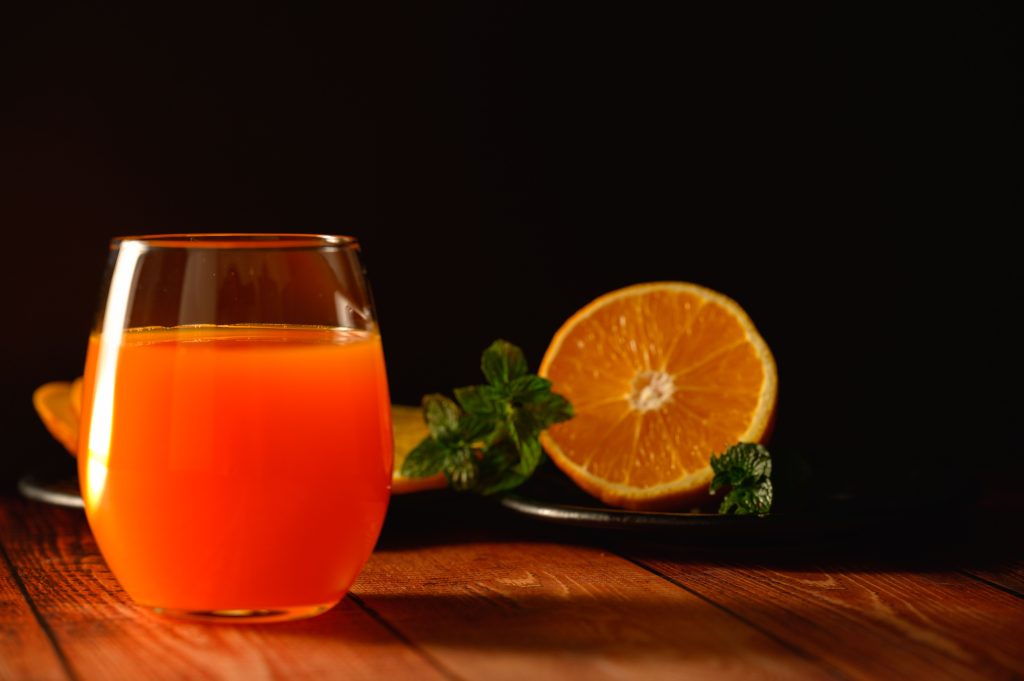
To understand the scale of the juice trap, it helps to look at the sheer volume of fruit required to fill a single container. Consider a standard 12-ounce glass of commercial orange juice.
The Fruit-to-Glass Ratio
- The Raw Ingredients: It takes approximately four to five medium-sized oranges to produce just one 12-ounce serving of juice.
- The Consumption Speed: A person can easily drink that glass of juice in less than 60 seconds.
- The Whole Food Reality: Sitting down to peel and eat five whole oranges back-to-back would take a human roughly 10 to 15 minutes.
The physical act of chewing and processing the dense, fibrous pulp of a whole fruit triggers satiety hormones in the gut, signaling the brain that the body is full. When industrial machinery extracts the liquid, 100% of that insoluble fiber is thrown into the waste bin. Without that natural fibrous “speed bump,” the liver is suddenly flooded with a massive, immediate dose of free-floating fructose. The digestive system cannot tell the difference between the sugar from five pulverized apples and the sugar from a soft drink.
🔬 The Science: How Processing Strips the Good Stuff
Many premium juice brands justify their high price tags by highlighting their vitamin content, particularly Vitamin C. However, the industrial journey from an orchard to a grocery store shelf severely compromises the quality of those nutrients.
The primary culprit is pasteurization. To ensure a shelf life of several months, commercial juices are heated to scorching temperatures to kill off potential bacteria. While this process makes the liquid stable for transport, the extreme heat destabilizes and destroys delicate, heat-sensitive vitamins and live enzymes.
To make matters worse, mass-produced juice is often stored in giant, oxygen-depleted holding tanks for up to a year before it is packaged. Because this long storage strips away all natural flavor compounds, beverage companies routinely add chemically engineered “flavor packs” to the liquid right before bottling to recreate the taste of fresh fruit.
🏷️ The Label Hack: Decoding the Beverage Aisle
Food manufacturers use highly clever vocabulary to make cheap, sugar-laden drinks sound like premium organic wellness products. Navigating the beverage aisle requires knowing exactly how to decode these three distinct legal classifications:
100% Pure Juice
This classification means the bottle contains nothing but the liquid extracted from the fruit. While it features no added chemical preservatives or cane sugar, it remains a highly concentrated source of natural fructose with zero dietary fiber.
Nectar
Do not let the exotic name confuse you. Legally, a fruit nectar is simply a mixture of fruit puree, water, and massive amounts of added granulated sugar or high-fructose corn syrup. It usually contains only 20% to 50% actual fruit content.
Fruit Drink or Fruit Cocktail
This is the lowest tier of beverage quality. These products are essentially liquid candy, often containing less than 10% real fruit juice. The rest of the bottle is filled with filtered water, artificial food dyes, and cheap chemical sweeteners.
📊 Sugar Breakdown: Store-Bought Juice vs. Fresh Fruit
According to nutritional profile data managed directly by the official USDA FoodData Central database, the raw numbers show a staggering gap between drinking a fruit and eating it. Here is how common store-bought options stack up against their whole food equivalents:
| 12 oz Beverage / Fresh Fruit Serving | Total Sugar Content | Fiber Content | Insulin Spike Speed (Glycemic Impact) |
|---|---|---|---|
| ❌ Commercial Apple Juice | 36 Grams | 0 Grams | High (Rapid Spike) |
| ❌ Premium Grape Juice | 42 Grams | 0 Grams | Very High (Severe Spike) |
| ❌ Coca-Cola Classic | 39 Grams | 0 Grams | High (Rapid Spike) |
| ✅ One Whole Fresh Apple | 13 Grams | 4.4 Grams | Low (Slow, Steady Release) |
| ✅ One Whole Fresh Orange | 12 Grams | 4.3 Grams | Low (Slow, Steady Release) |
🚨 3 Red Flags to Look For on Any Juice Label
Before placing a beverage into a supermarket cart, flip the bottle around and check for these three immediate warnings on the nutritional panel:
- 🍇 “Concentrate Blends” in Premium Flavors: If a bottle is labeled as “100% Pure Pomegranate” or “Wild Blueberry,” check the ingredient list. Manufacturers frequently pad out expensive juices by mixing in massive amounts of cheap, ultra-sweet apple or white grape juice concentrates as hidden sweeteners.
- 🛑 Zero Fiber with High Carbohydrates: If the “Total Carbohydrates” line reads 30 grams or higher, but the “Dietary Fiber” line reads 0 grams, the beverage is metabolically identical to liquid syrup.
- 🧪 “Natural Flavors” at the Very End: This phrase often indicates that the juice was stored for months, lost its natural taste, and required a chemically engineered flavor pack to make it palatable again.
🍽️ Establishing Honest Dietary Habits
Swapping out commercial juice boxes for clean alternatives is an excellent way to stabilize daily energy levels. After establishing a clean breakfast routine, ensuring that dinner is equally simple and nutritious maintains that health momentum. Preparing fast, unrefined 5 ingredient dinner recipes that rely on whole ingredients is the easiest way to complement a low-sugar lifestyle.
Maintaining these transparent eating habits is equally important when exploring new cities. If a vacation itinerary involves tracking down local street food in new york under 10 dollars, avoiding the hidden sugar water trap means skipping the street-cart fruit smoothies—which are often loaded with heavy simple syrups—and choosing sealed spring water or unsweetened iced teas instead.
🏁 The Final Verdict: Your Action Plan
Transitioning away from a morning juice habit does not mean mornings have to become bland. Use this three-step action plan to reset the metabolism:
- Apply the 80/20 Dilution Rule: If cutting out juice completely feels too difficult, fill a glass with 80% sparkling mineral water or club soda, and top it off with just a 20% splash of juice for color and a light flavor kick.
- Switch to Whole Food Blending: Instead of a traditional juicer that separates and discards the skin and pulp, use a high-powered blender to make whole-fruit smoothies that preserve every ounce of dietary fiber.
- Use Citrus Infusions: Place fresh slices of cucumber, lemon, lime, or mint leaves directly into a large glass pitcher of cold water overnight for a crisp, zero-sugar hydration source.
Disclaimer: The information provided in this article is for educational purposes only and is based on general nutritional data. It is not intended as medical advice. Always check the specific ingredient labels on products before consumption, as formulations may vary by brand and region.”