You are standing in the dairy aisle of a standard US supermarket, looking for the perfect cheese to top your tacos or melt into an authentic quesadilla. You reach for a bag labeled “Mexican Style Blend” or a plastic-wrapped block of “Queso Fresco.” But according to federal food standards and food science data, there is a very high probability that what you are holding is a highly processed imitation rather than traditional Mexican cheese. Mass-market US dairy production often uses clever labeling loopholes to mask fillers, modified starches, and vegetable oil substitutes.
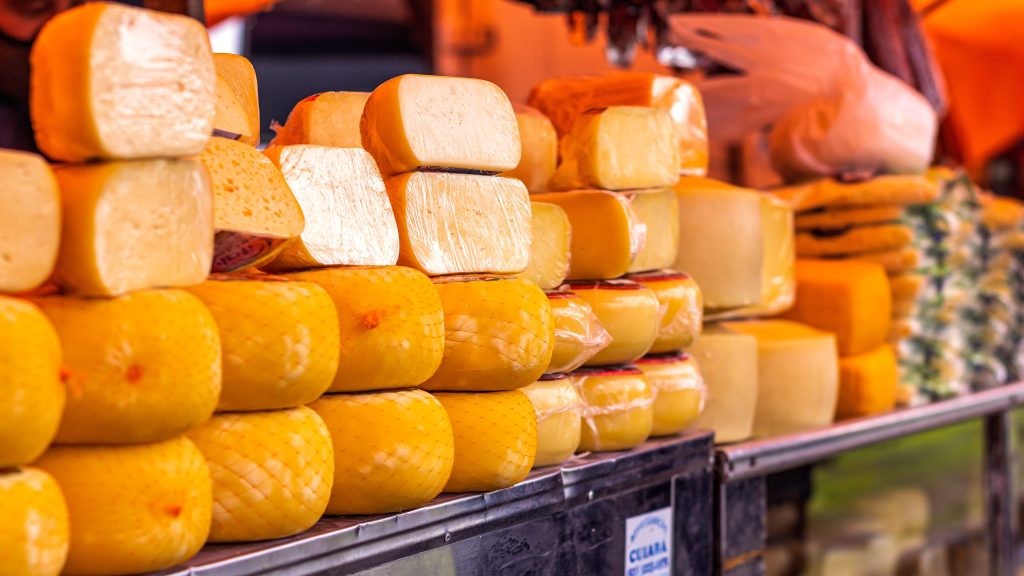
This investigative guide breaks down the chemical differences between real and fake Mexican cheese, reveals the exact labels to watch out for at major US grocery stores, and details how the specific structural science of Queso Fresco and Cotija affects your cooking.
Key Takeaways
- Watch Out for “Product” or “Style”: Phrases like “Mexican Product” or “Mexican Style” often indicate the presence of FDA-permitted fillers, modified food starch, or palm oil substitutes.
- Always Read the Ingredient List: Authentic Mexican cheese contains only whole milk (cow or goat), salt, cultures, and enzymes.
- Match Cheese to Your Culinary Needs: Queso Fresco is a high-moisture, low-sodium cheese that crumbles beautifully without melting; Cotija is an aged, high-sodium cheese used for sharp flavor enrichment.
The Grocery Store Dilemma: Why Most US “Mexican” Cheese is Fake
The primary issue with “Mexican” cheeses in major US grocery networks is the widespread use of cheese analogues and structural stabilizers. Traditional Mexican cheesemaking relies exclusively on whole cow or goat milk, salt, bacterial cultures, and rennet (enzymes). However, corporate dairy processors regularly optimize profit margins by substituting expensive milk fats with cheap alternatives like palm oil and adding bulk using modified food starch or cellulose powder.
From a strict food safety and regulatory standpoint, the U.S. Food and Drug Administration (FDA) enforces explicit guidelines on what can legally be called “cheese”. To bypass these restrictions, manufacturers exploit labeling loopholes. If a product does not meet the federal Standard of Identity for pure cheese, you will see it designated as a “Pasteurized Prepared Cheese Product,” a “Cheese Food,” or simply labeled with the descriptor “Style” (e.g., “Queso Fresco Style”).
These fillers do more than dilute the authentic flavor profile. Modified food starches alter the hydration index of the proteins, creating a rubbery, plastic-like texture. Furthermore, pre-shredded varieties are heavily coated in anti-caking agents to keep the shreds from sticking together, which directly interferes with the cheese’s natural melting capabilities. Much like learning how to enjoy Mexican street food without getting sick, navigating the commercial dairy aisle requires an assertive eye for ingredients and a clear awareness of what you are putting into your body.
[Authentic Ingredients] -> Whole Milk + Cultures + Enzymes + Salt (100% Real)
[Fake/Analogue Fillers] -> Milk + Palm Oil + Modified Starch + Cellulose + Stabilizers
Pro-Traveler Tip / Actionable Advice
Never look at the marketing images on the front of the packaging. Flip the cheese over and read the ingredients block. If you spot palm oil, modified starch, or words like “imitation” or “prepared product,” put it back on the shelf immediately. Real cheese never requires more than five ingredients.
Look for the Label: Authentic Brands to Buy at Walmart, Kroger, or Target
To avoid buying industrial imitations, you need to know exactly which brands consistently deliver authentic formulations. Trusted brands preserve traditional cheesemaking methods by using 100% real milk without synthetic thickeners or non-dairy fat replacements.
The supermarket shopper matrix below details the target brands you should seek out and the specific red flags you must avoid at major retail chains.
Supermarket Shopper Matrix
| Grocery Store | Authentic Brands to Buy | Safe Packaging Identifiers | FDA Loophole Labels to Avoid |
| Walmart | Cacique, V&V Supremo, Jaimito | “100% Milk” Real Seal, “Real Cheese” stamp, vacuum-sealed rounds | “Mexican Style Blend”, “Pasteurized Prepared Cheese Product” |
| Kroger | Cacique, La Moreno/La Morenita, Ole Mexican Foods | “Ingredients: Milk, Salt, Cultures, Enzymes” | “Finely Shredded Fiesta Blend”, “Imitation Queso” |
| Target | Cacique, Good & Gather (Organic lines only) | Explicit mention of whole cow or goat milk source | “Processed Cheese Sauce”, “Cheese Food with Fillers” |
Consumer discussions on food safety platforms like Reddit’s r/science and culinary forums on Quora highlight that mass-distributed grated hard cheeses show the highest rates of adulteration with vegetable oil substitutes. When shopping at corporate supermarkets, your safest choice is to purchase whole cheese rounds or blocks rather than pre-shredded or pre-grated varieties.
Pro-Traveler Tip / Actionable Advice
When shopping at large retail chains, bypass the standard commercial cheese wall and head directly to the specialized international or Hispanic refrigeration section. This area is far more likely to stock whole wheels of authentic brands like Jaimito or V&V Supremo rather than processed starch blends.
Queso Fresco vs. Cotija: Which One Do You Actually Need for Your Tacos?
Choosing between Queso Fresco and Cotija involves understanding structural food chemistry. Each cheese behaves quite differently when heat is applied because of differences in moisture content, fermentation times, and overall protein architecture.
QUESO FRESCO: [High Moisture (50%+)] -> [Tight Protein Net] -> Crumble / Resists Melting
COTIJA: [Low Moisture (~35%)] -> [High Sodium / Acid] -> Dry Dusting / Sharp Flavor
Queso Fresco: The High-Moisture Companion
Queso Fresco is an unaged, fresh cheese with a high moisture content (often exceeding 50%). Because it is barely aged, the whey proteins and casein networks retain a significant amount of water. When you heat Queso Fresco, the abundance of water within its structural matrix shields the protein bonds from breaking completely.
Instead of melting into a smooth liquid fluid, the cheese softens slightly while maintaining its distinct, sponge-like shape. Its lower sodium level provides a clean, milky backdrop that helps cool down highly spiced dishes. Just as checking ingredients protects you from buying fruit juice that is actually just sugar water, knowing the chemical structure of your dairy ensures it performs correctly in the kitchen.
Cotija: The Aged, High-Sodium Finisher
Cotija is a dry, aged cheese often called the “Parmesan of Mexico.” It undergoes an aging process spanning anywhere from several months to multiple years, which drastically reduces its total moisture content to roughly 35%.
As water evaporates during aging, the concentration of sodium and ambient acids increases significantly. This highly acidic environment causes the casein proteins to clump together into tight, rigid aggregates. When exposed to heat, Cotija will not melt; the lack of moisture and tightly bound protein structure means it will burn or char instead of liquefying. Its high sodium content delivers a sharp flavor punch designed to cut through heavy fats.
Structural Performance Comparison
- Queso Fresco:
- Moisture Level: High (50%+).
- Melting Behavior: Softens but does not run; holds its physical shape under direct heat.
- Best Used For: Crumbling over hot street-style tacos, stuffing enchiladas, or serving alongside spicy salsas.
- Cotija:
- Moisture Level: Low (~35%).
- Melting Behavior: Zero melt capability; chars under extreme heat.
- Best Used For: Dusting over elote (Mexican street corn), tostadas, or garnishing black bean soups.
Pro-Traveler Tip / Actionable Advice
If a recipe calls for a melting Mexican cheese (such as for quesadillas or queso fundido), do not buy Queso Fresco or Cotija. Instead, look for Queso Oaxaca or Queso Asadero. These cheeses undergo a stretched-curd process (pasta filata) that allows the protein strands to elongate perfectly when heated, yielding an ideal melt.
Actionable Micro-FAQ Section
Why isn’t my store-bought Mexican cheese melting?
Your cheese isn’t melting because it either contains industrial anti-caking agents (like cellulose powder) or it is a naturally high-moisture fresh cheese like Queso Fresco. Anti-caking agents prevent shreds from sticking together in the bag, but they also create a physical barrier that stops the cheese strands from fusing smoothly when heated. For a smooth melt, purchase a solid block of authentic Queso Oaxaca or Queso Asadero and grate it yourself at home.
How can I spot fake Mexican cheese in under 5 seconds?
Flip the package over and check the ingredient list. Real Mexican cheese contains fewer than five ingredients: milk, salt, cultures, and enzymes. If you spot words like “palm oil,” “modified food starch,” “potato starch,” or “cellulose,” you are looking at an imitation cheese analogue.
Is real Queso Fresco safe to eat raw straight from the supermarket package?
Yes, commercially distributed Queso Fresco from major retailers like Walmart or Kroger is safe to eat fresh because FDA regulations mandate that all fresh cheeses aged under 60 days must be produced using pasteurized milk. This process eliminates harmful pathogens like Listeria. Always ensure the package states “Made with Pasteurized Milk” and keep it thoroughly refrigerated.
AQ Section
Additional High-Value SEO FAQ Section
Q1: What is the difference between Mexican “Style” cheese and “Authentic” Mexican cheese?
Ans: The word “Style” on a US cheese label is an FDA loophole used by manufacturers to signal that the product does not meet the strict federal Standard of Identity for real cheese. “Style” cheeses frequently replace expensive milk fats with cheap palm oil and use modified food starch as a bulk filler. Authentic Mexican cheese will never use the word “style” and will explicitly list 100% whole cow or goat milk as the primary ingredient.
Q2: Can I substitute Feta cheese for Queso Fresco or Cotija?
Ans: You can substitute Feta for Cotija, but you should not substitute it for Queso Fresco. Feta is a high-sodium, brined cheese that mimics the sharp, salty, and crumbly profile of aged Cotija. However, Queso Fresco is mild, milky, and low in sodium; substituting it with salty Feta will completely ruin the delicate flavor balance of your dish.
Q3: Why does my Mexican blend cheese turn into a greasy pool when melted?
Ans: This happens because mass-market “Mexican Blends” often contain low-quality cheese analogues mixed with vegetable oils like palm oil. When exposed to heat, the emulsion breaks, causing the vegetable oil to separate from the synthetic binders. Authentic melting cheeses like Queso Oaxaca or Asadero retain their fat structure, resulting in a smooth, stretchy pull without the excess grease.
Q4: How long does authentic Queso Fresco last after opening the vacuum seal?
Ans: Because authentic Queso Fresco is a high-moisture fresh cheese without chemical preservatives, it must be consumed within 3 to 5 days after opening. To maximize its shelf life, wrap the remaining cheese tightly in clean parchment paper, place it inside an airtight container, and store it in the coldest part of your refrigerator. Discard immediately if you notice any sour odor or slimy surface texture.
Pro-Traveler Tip / Actionable Advice
When formatting this FAQ section on your website, use Schema Markup (FAQPage Structured Data). This tells Google exactly where your questions and answers are, increasing the chances of your content appearing directly on the first page of Google search results as an expanded answer box.