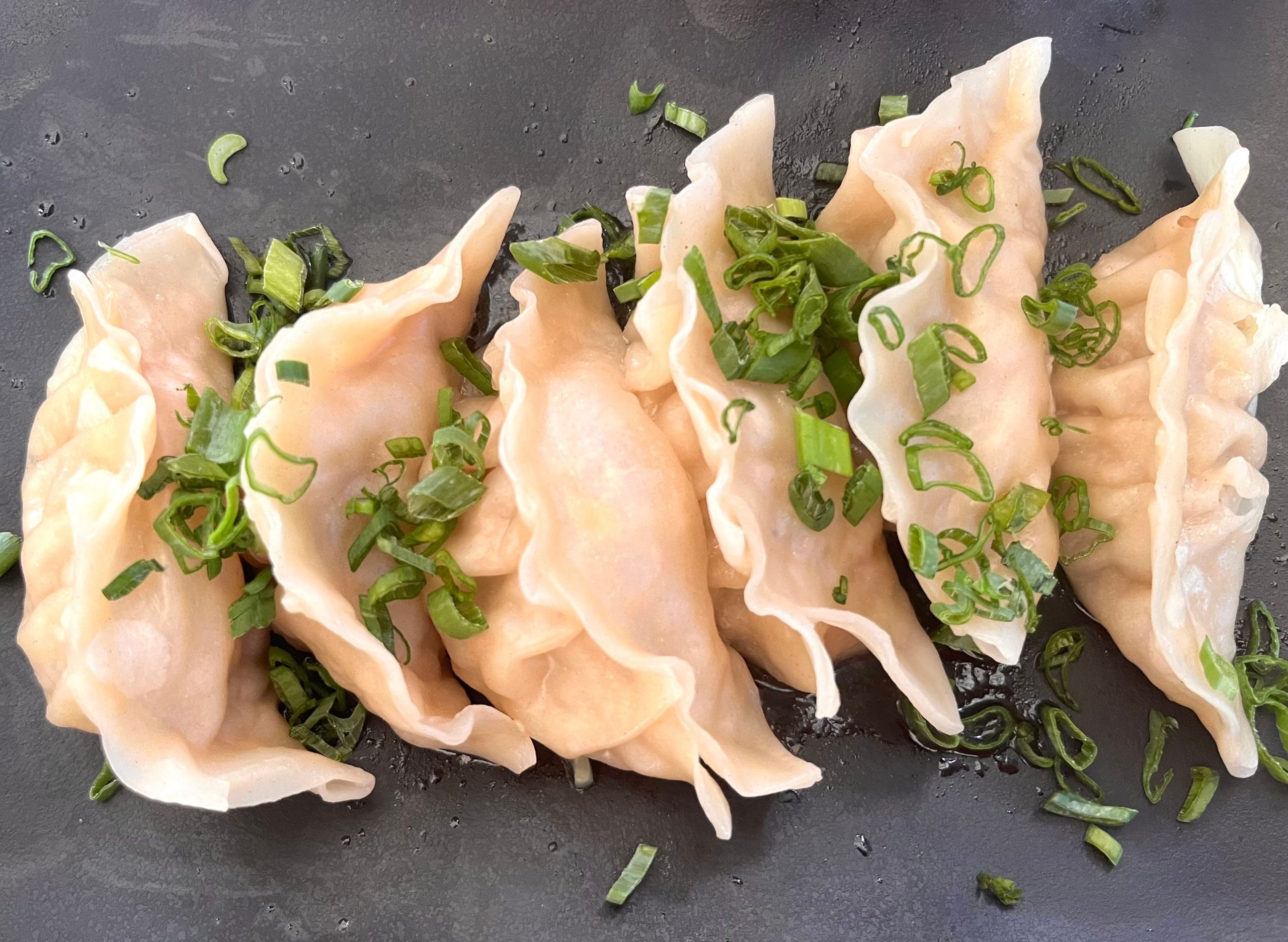
Picture this: You are walking through a bustling night market in Bangkok or Phuket. The air is thick with the rich aromas of lemongrass, chili, and sweet Thai basil. Neon signs flash, woks hiss over open flames, and a massive line forms around a street stall selling the most delicious-looking Pad Thai you have ever seen.
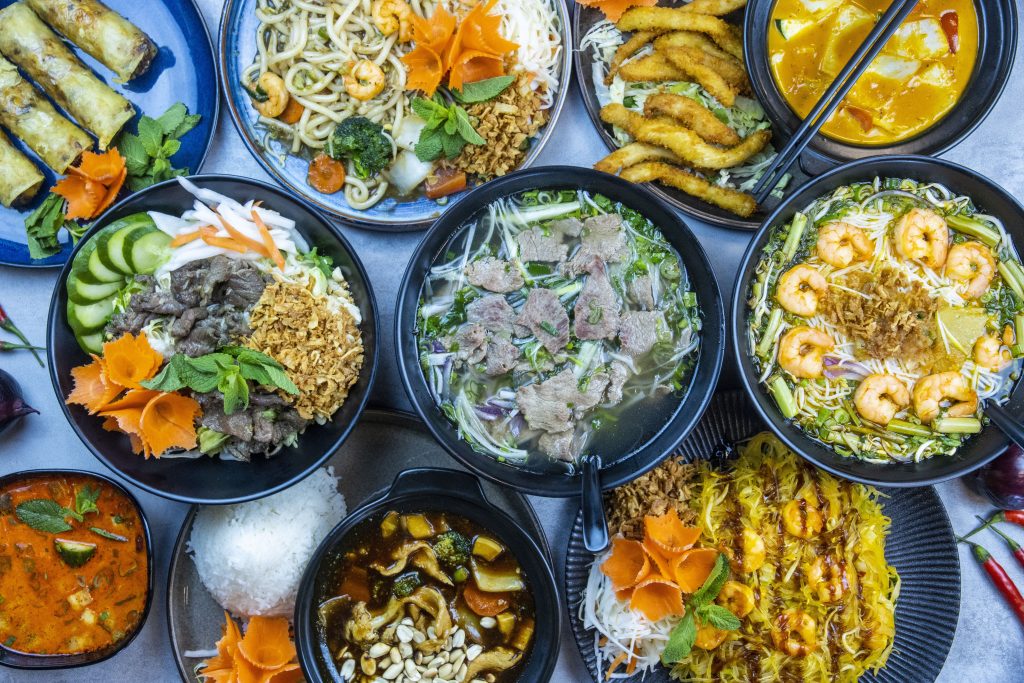
For Western tourists, experiencing Thai street food is a primary bucket-list goal. However, behind those mouth-watering flavors lies a common chemical additive that triggers deep anxiety for thousands of travelers: Monosodium Glutamate, universally known as MSG.
If you are traveling and wondering how to order MSG-free food in Thailand, you are not alone. Knowing how to order MSG-free food in Thailand is essential for a safe and enjoyable street food experience.
While MSG is perfectly safe for the vast majority of people, a significant portion of US and European travelers suffer from severe MSG sensitivity. Consuming it can cause what travel forums call “Chinese Restaurant Syndrome”—a cluster of sudden symptoms including rapid heart palpitations, throbbing headaches, heavy sweating, and a strange numbness in the face or neck.
Because MSG is an absolute staple in Thai cooking, avoiding it requires clear communication. However, simply saying “No MSG” in English almost always fails at traditional local street stalls because most vendors do not speak English. According to data analyzed from real travelers on Reddit and Quora, mastering the language barrier, staying aware of common thailand first time mistakes, and knowing 5 Stomach-Safe Bangkok Street Foods for First-Time Travelers is the single best way to protect your stomach and enjoy your vacation stress-free.
The MSG Reality in Thai Cuisine
In Western countries, MSG has faced decades of scrutiny, leading many US restaurants to proudly display “No MSG Added” signs. In Thailand, the mindset is completely opposite. Known locally as Phong Churot (ผงชูรส), MSG is viewed as a magical flavor enhancer that brings out the elusive “umami” or savory fifth taste.
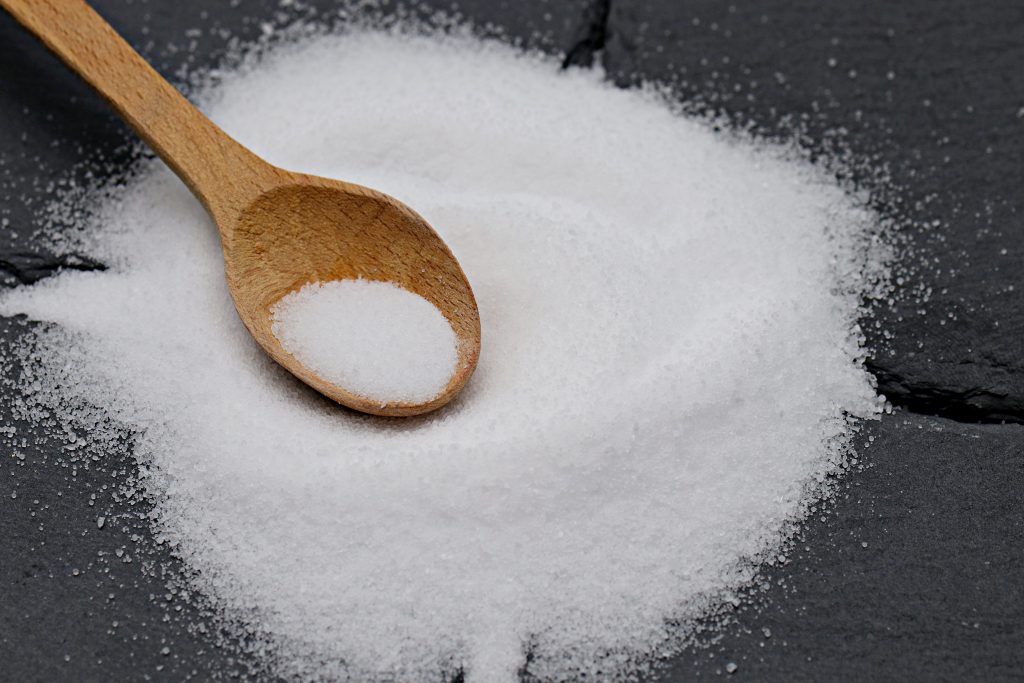
Thai street food cooks do not hide their use of MSG. It sits openly in large metal bowls right next to the sugar and salt. They toss massive spoonfuls of it into almost everything—soups, stir-fries, noodle dishes, and even fresh salads.
It is critical to understand that cooking temperature has no effect on this additive. High heat does not break down or destroy MSG. Once it is scooped into the hot wok, it dissolves seamlessly into the sauce, remaining fully active until it hits your plate.
️ 4 Secret Thai Phrases for an MSG-Free Meal
If you want a guaranteed MSG-free meal at a local market stall, you must speak the chef’s language. Do not worry about mastering the complex Thai script. Instead, memorize these four simple, romanized phonetic phrases.
1. “Mai Sai Phong Churot” (No MSG)
- How to pronounce it: My-Sigh-Pong-Choo-Rot
- What it means: This is your primary, universal shield. Mai Sai means “do not put in,” and Phong Churot is the literal Thai word for MSG powder. Saying this firmly but politely will stop the vendor from reaching for the MSG bowl.
2. “Mai Sai Ros Dee” (No Seasoning Powder)
- How to pronounce it: My-Sigh-Ross-Dee
- What it means: This is the ultimate hidden trap discussed in travel subreddits. Many Thai cooks will smile, skip the pure white MSG powder, but then add a massive scoop of a commercial chicken or pork powder brand called “Ros Dee” or “Knorr.” These industrial powders are packed with up to 40% hidden MSG. This phrase shuts down that loophole completely.
💡 Pro Idea: Take a screenshot of these four phrases on your phone or write them on a physical index card. Flash the card directly to the cook before they turn on the stove or heat their wok. Visual cues break the language barrier instantly at loud night markets.
3. “Gin Jaa Mai Sai Phong Churot” (I Eat Strictly/Purely, No MSG)
- How to pronounce it: Ghin-Jah-My-Sigh-Pong-Choo-Rot
- What it means: In Thailand, the word Gin Jaa relates to strict clean eating or religious vegetarian diets. When you use this phrase, the cook instantly understands that your request is not just a picky preference, but a strict dietary requirement that they must take seriously.
4. “Phom Pae Phong Churot” (Male) / “Chan Pae Phong Churot” (Female)
- How to pronounce it: Pohm-Pae-Pong-Choo-Rot (for men) / Chahn-Pae-Pong-Choo-Rot (for women)
- What it means: This translates directly to “I am allergic to MSG.” While MSG sensitivity is technically an intolerance and not a true IgE-mediated allergy, using the word Pae (allergic) signals an immediate medical red flag to the cook, ensuring they wipe down their utensils carefully.
📊 Double Danger: MSG vs. Thai Food Poisoning Risks
Avoiding MSG is only half the battle. As a traveler, you must also look out for bacterial contamination that causes the infamous “Bangkok Belly.” The following table combines both risks based on public health safety guidelines so you know exactly how to stay safe at any market stall.
| Street Food Option | MSG Baseline Risk | Food Poisoning Risk | Safe Alternative & Action |
| ❌ Pad Thai & Stir-Fries | Extreme (Spoons of MSG in the pan) | Low (Cooked at scorching high heat) | ✅ Order and state: “Mai Sai Phong Churot” |
| ❌ Tom Yum & Noodle Soups | Extreme (The broth is pre-made with MSG) | Low (Kept boiling hot all day long) | ✅ Skip soups entirely; the broth cannot be made MSG-free on the spot. |
| ❌ Som Tum (Papaya Salad) | High (Dressed with heavy MSG and fish sauce) | High (Raw veggies washed in tap water) | ✅ Choose hot, steam-cooked side dishes instead. |
| ❌ Blood Cockles & Raw Seafood | Low (Usually just boiled or served plain) | Extreme (Carries heavy marine bacteria) | ✅ Fried whole fish cooked to a crisp order. |
| ❌ Pre-Cut Fruits & Open Juices | Zero (Naturally fruit) | Extreme (Exposed to flies and local tap ice) | ✅ Whole fruits you peel yourself (bananas, mangoes). |
💡 Pro Idea: If you suffer from extreme MSG sensitivity, avoid ordering food within the first hour of a night market opening. Many stalls pre-marinate meat chunks or mix large batches of sauces using heavy MSG seasoning powders before arriving at the market. Ordering custom, cooked-to-order dishes later in the evening is always safer.
🍗 Safe Bets: Thai Foods That Don’t Require MSG
If you are feeling overwhelmed by the language barrier and do not want to risk a misunderstanding, you can target specific street foods that naturally do not rely on MSG for flavor.
- Kai Yang (Isan Grilled Chicken): This is whole chicken marinated in garlic, coriander root, and black pepper, then slow-grilled over charcoal. It relies entirely on real herbs for its incredible taste.
- Kai Jeow (Thai Omelet over Rice): A simple street classic. It is just eggs beaten with a dash of fish sauce and fried in screaming hot oil. You can easily watch the cook make it to ensure no powder is thrown in.
- Khao Niew (Sticky Rice): Completely untouched, pure steamed glutinous rice. It is the perfect carbohydrate fuel to pair with grilled meats.
⚕️ Thailand Food Safety and Traveler Checklist
To keep your tropical vacation running smoothly without any emergency room visits, medical data suggests ensuring your daypack is always stocked with these three essential safety tools:
- Hand Sanitizer: Use it immediately before handling sticky rice or street food skewers with your fingers.
- The 7-Eleven Backup Plan: If you accidentally ingest MSG or bad bacteria, head to any local 7-Eleven store. They are on almost every street corner in Thailand and stock affordable, over-the-counter rehydration salts (called Gatorade or local electrolyte powders) and carbon pills to absorb stomach toxins.
- The Ice Rule: Only consume ice that has a hole through the middle (cylindrical tube ice). This indicates it was manufactured safely in a commercial purified water factory, rather than chopped manually from a dirty block of local tap water.
To keep your tropical vacation running smoothly without any emergency room visits, official data from the CDC Travelers’ Health guidelines suggests ensuring your daypack is always stocked with these three essential safety tools.
💡 Pro Idea: When visiting local open-air markets, always choose the food stall with the longest line of local Thai residents rather than the ones packed with tourists. Locals know exactly which vendors use high-quality ingredients, practice proper temperature controls, and minimize industrial powders.
💬 Frequently Asked Questions (FAQs)
1. Can upscale restaurants in Bangkok accommodate an MSG allergy?
Yes. High-end restaurants and hotel dining rooms are well-versed in Western dietary restrictions. Simply inform your server in English, and the kitchen will prepare your meal using pure salt and natural soy sauce.
2. Is MSG banned anywhere in Thailand?
No. MSG is fully approved by the Thai Food and Drug Administration and is an integral part of the national culinary economy.
3. What should I do if I start experiencing an MSG reaction?
Do not panic. Lie down in a cool, air-conditioned room and drink massive amounts of purified water. Flushing your system with fluids is the fastest way to help your kidneys process and eliminate the excess sodium glutamate from your bloodstream.