
Navigating Southeast Asia for the first time can be a cultural whirlwind. If you want to avoid common Thailand first time mistakes, planning around safety, time management, and local etiquette is essential. This no-fluff guide breaks down the critical pitfalls Western travelers face and how to bypass them for an authentic, stress-free vacation.
Overpacking Your Itinerary (The Time-Management Trap)
American travelers often try to squeeze Bangkok, Chiang Mai, and Phuket into a single week. Thailand’s transit takes longer than you think. Factor in regional flight delays, heavy traffic, and intense tropical heat. Rushing through destinations leads to burnout and robs you of authentic local experiences.
While exploring local markets, make sure you know how to navigate the culinary scene safely by checking out our guide on [safe and delicious Bangkok street food]
- Slow down: Spend at least 3 to 4 days in each major region.
- Prioritize logistics: Choose internal flights over long, overnight buses to save precious vacation hours.
- Embrace buffer time: Leave your afternoons flexible to handle sudden tropical downpours or unexpected local discoveries.
Pro-Traveler Tip: Use the AirAsia or Nok Air mobile apps to book internal domestic flights at least 3 weeks in advance. This secures $30–$50 tickets and saves you 12+ hours of exhausting road travel.
Falling for the Grand Palace “Closed” Scam
One of the most classic Thailand first time mistakes happens right outside Bangkok’s top temples. Friendly tuk-tuk drivers or well-dressed strangers will approach you claiming the Grand Palace is “closed for a holiday” or “monk prayers.” They will offer to take you to a “secret gem” or a cheap jewelry shop instead.
- Check the gate: Always walk directly to the official ticket counter yourself to verify opening hours.
- Ignore unauthorized guides: Legitimate palace staff will never approach you on the street to redirect your tour.
- Stay firm: Politely say “No, thank you” and keep walking toward the main entrance.
Pro-Traveler Tip: Download the Grab or Bolt app (Southeast Asia’s Uber) onto your smartphone before leaving the US. Use it to book rides with fixed, upfront pricing to avoid aggressive street scammers completely.
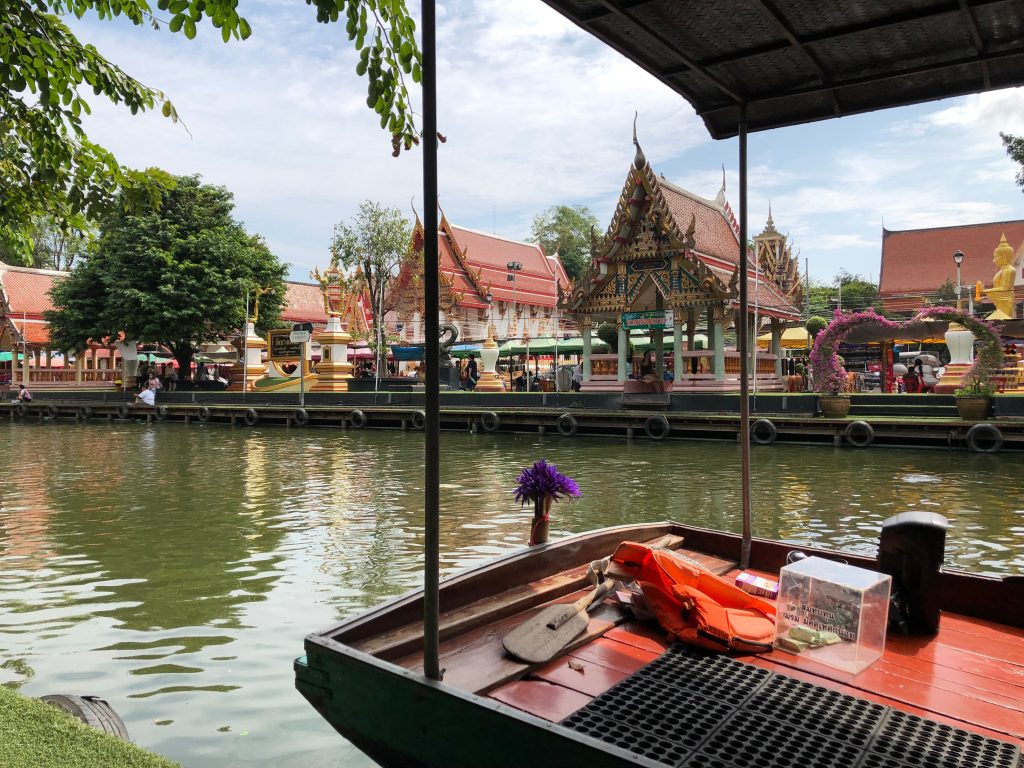
Dressing Inappropriately for Sacred Temples
US travelers frequently forget that Thai temples (Wats) are active religious sites, not just tourist photo-ops. Wearing shorts, tank tops, or short skirts will get you denied entry at places like Wat Chiang Man or Wat Arun. This creates unnecessary delays and wastes your travel day.
- Cover your shoulders: T-shirts are acceptable, but sleeveless tops and camisoles are strictly prohibited.
- Cover your knees: Wear lightweight, breathable linen pants or long maxi skirts.
- Slip-on shoes are key: You must remove your footwear before entering temple buildings, so avoid complex lace-up boots.
Pro-Traveler Tip: Pack a lightweight linen scarf or sarong in your daypack. You can quickly wrap it around your waist or shoulders to instantly meet temple dress codes without buying overpriced clothes outside.
Overpaying for Street Rides Without Haggling
Taxis refusing to turn on their meters and tuk-tuk drivers quoting 500 Baht ($14) for a 5-minute ride are common hurdles. Accepting the first price offered is an expensive pitfall. While street food has fixed prices, open-air transportation definitely does not.
- Demand the meter: In Bangkok taxis, firmly state “Taxi Meter, please” before sitting down. If they refuse, step out.
- Agree on prices first: Never board a tuk-tuk without agreeing on a final price beforehand.
- Cut prices in half: When negotiating with street vendors or drivers, start your counter-offer at roughly 50% to 60% of their initial quote.
Pro-Traveler Tip: When catching a taxi from Bangkok’s Suvarnabhumi Airport (BKK), bypass the regular curbside drivers. Go down to Level 1 and use the official automated taxi ticketing kiosks for a regulated, metered ride.

Using ATMs Carelessly and Wasting Holiday Budget
Thailand is still heavily cash-based, especially for street food, local markets, and island boats. However, relying on local ATMs incorrectly will drain your wallet through hidden bank fees. Thai ATMs charge a flat fee of 220 Baht (approx. $6) per withdrawal, regardless of the amount.
- Withdraw maximum amounts: Pull out 10,000 to 20,000 Baht at once to avoid paying the $6 transaction fee multiple times.
- Say NO to Dynamic Currency Conversion (DCC): When the ATM asks whether to charge you in USD or local Thai Baht (THB), always choose THB. The USD option uses a terrible exchange rate that costs you extra.
- Notify your bank: Drop a travel notice on your US debit cards before departure to prevent fraudulent blocks.
Pro-Traveler Tip: Apply for a Charles Schwab Debit Card before your trip. This US bank automatically refunds 100% of all international ATM fees worldwide at the end of every single month.
Missing Out on Local Food by Fearing “Bangkok Belly”
Many first-time visitors eat exclusively at Western fast-food chains or expensive hotel buffets out of fear of getting sick. This is a massive mistake that ruins an authentic cultural experience. Thai street food is incredibly fresh, sanitary, and often safer than high-end restaurants because the high turnover prevents ingredients from sitting around.
- Look for long lines: High crowds of local Thai people mean the food is delicious, safe, and cooked completely fresh to order.
- Watch it cook: Choose stalls where you can see the vendor frying the noodles or boiling the broth right in front of your eyes.
- Stick to bottled water: Ice in major cities and tourist hubs is commercially manufactured and safe, but never drink raw tap water.
Pro-Traveler Tip: Carry a small pack of activated charcoal pills and traveler’s sanitizer in your daypack. Taking charcoal at the first sign of a sensitive stomach neutralizes bacteria instantly and saves your travel itinerary.
Forgetting the “Respect the Monarchy” Laws
In the US, freedom of speech allows for casual political jokes. In Thailand, strict Lèse-Majesté laws make it a serious criminal offense to insult, deface, or speak negatively about the Royal Family. This includes handling money carelessly, as all Thai Baht notes feature the King’s face.
- Watch your step: If a coin or paper bill falls to the ground, do not step on it to stop it from rolling away. Stepping on the King’s image is highly offensive.
- Keep political opinions private: Avoid debating Thai politics or royal history in public spaces, restaurants, or on social media networks.
- Stand for the anthem: If you are at a movie theater or public park when the National Anthem plays, stop walking and stand respectfully with the locals.
Pro-Traveler Tip: When packing your bags, treat paper currency with respect by keeping it flat inside a proper wallet rather than crumpling it into your front pockets.
Final Thoughts: Travel with Confidence!
Avoiding these common Thailand first time mistakes isn’t about limiting your fun—it is about unlocking a smooth, memorable, and deeply respectful adventure. Thailand is known worldwide as the “Land of Smiles” for a reason. By keeping these safety, budgeting, and cultural tips in mind, you will navigate the country like an absolute professional and experience the true warmth of Thai hospitality.