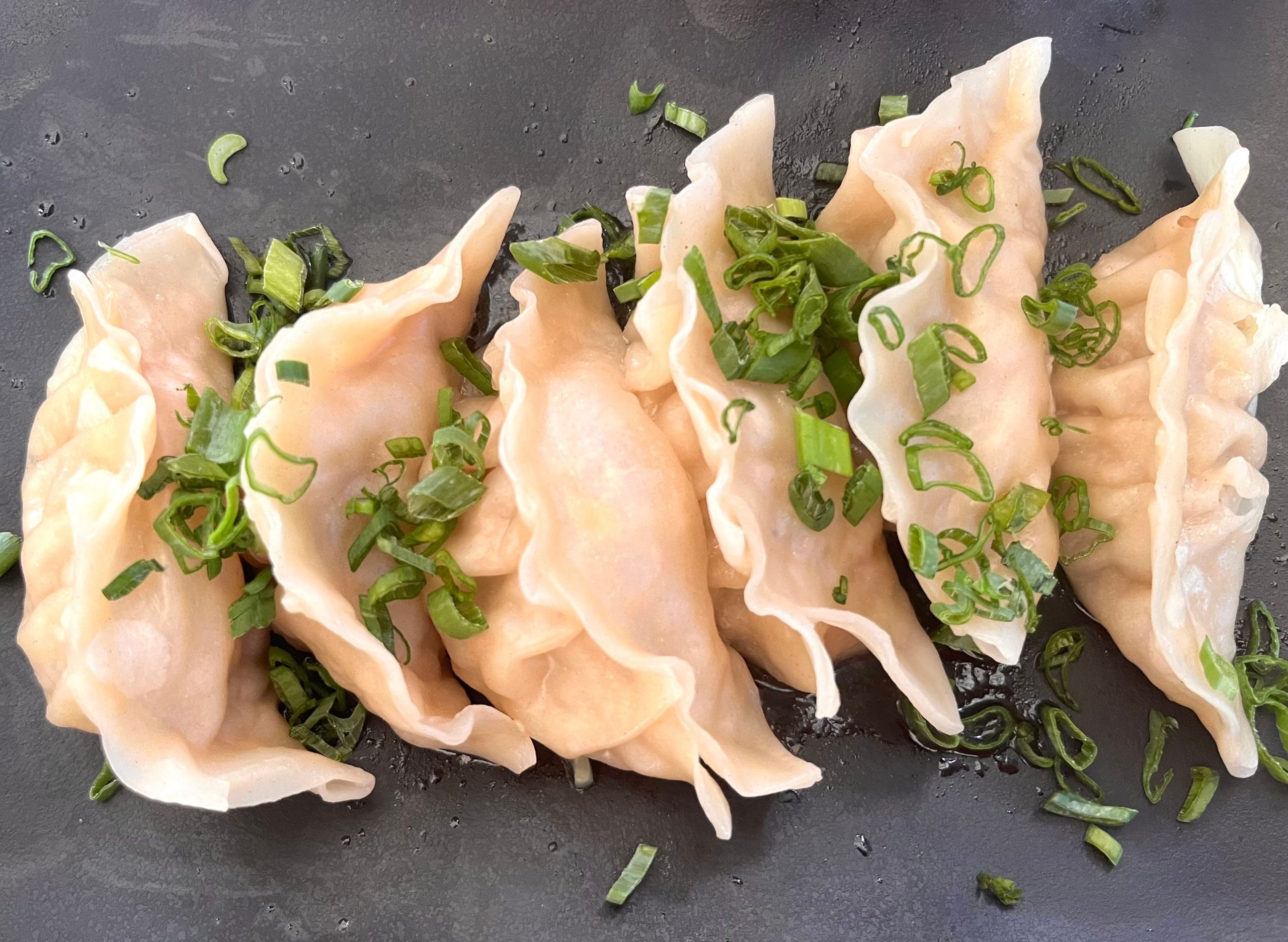
Old Delhi is a sensory explosion. The narrow lanes of Chandni Chowk present some of the most historic, aromatic, and celebrated culinary experiences on the planet. However, for many Western travelers, the deep desire to bite into a crisp samosa is locked in a constant battle with the terrifying fear of gastrointestinal distress. You do not have to skip this legendary food scene to save your health. According to seasoned travel experts and frequent international backpackers, you simply need a structured execution strategy. By implementing a few hidden operational rules, you can master old delhi street food safety and protect your digestion while diving deep into India’s historic flavors
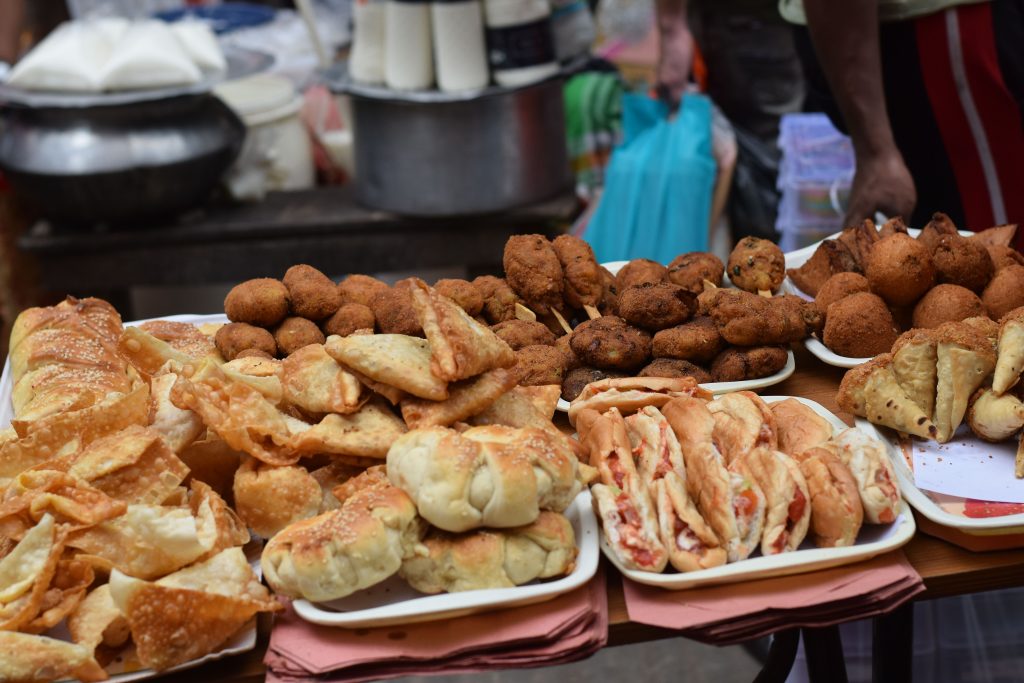
Traditional street vendors preparing fresh, hot snacks in the historic lanes of Old Delhi.
The “Delhi Belly” Fear: Why Western Stomachs Struggle with Indian Street Food
Getting sick in India is rarely a result of malicious intent or “poisonous” ingredients. The reality comes down to basic microbiology and water chemistry. Western travelers grow up in highly sanitized environments with strictly filtered municipal water networks. When you land in India, your gut microbiome encounters entirely new strains of bacteria that are completely harmless to locals but foreign to your digestive tract.
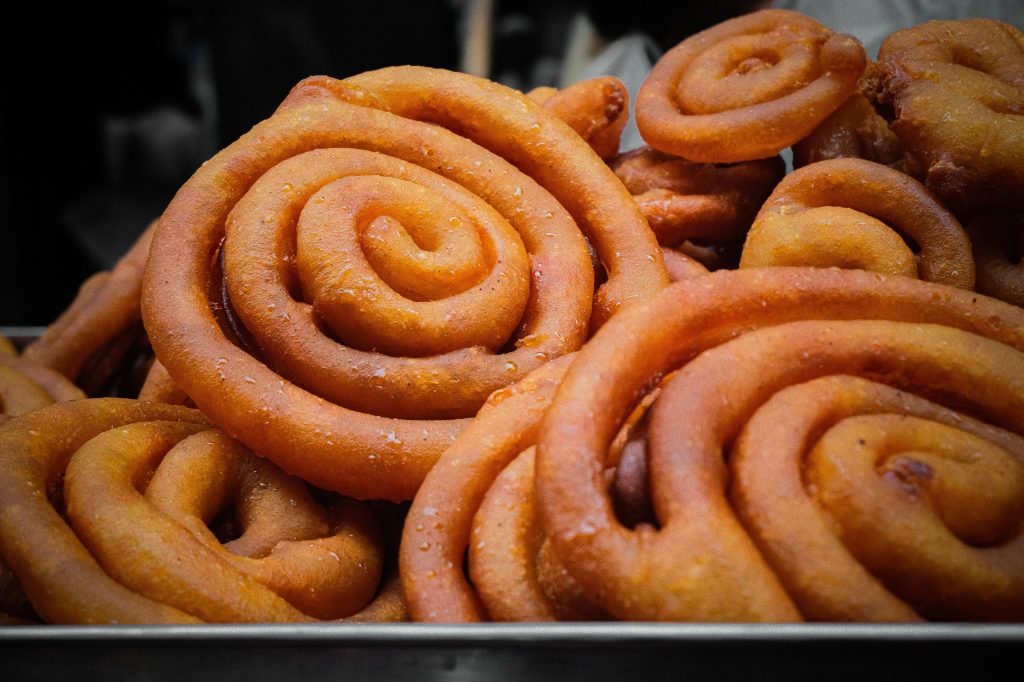
Jilapi
Furthermore, local spice combinations act as natural stimulants. Massive doses of fresh chilies, heavy oils, and unrefined spices accelerate digestion. This can cause temporary cramping or running stomachs that tourists misdiagnose as severe food poisoning. Recent discussions across international travel forums emphasize that the main culprit is almost always underlying water quality, rather than the fresh ingredients themselves.
Microbiome Shock: Foreign digestive tracts lack the localized bacteria needed to process regional enzymes smoothly.
Spice Acceleration: Heavy cardamom, clove, and chili mixtures can irritate the lining of unaccustomed stomachs.
Hidden Water Exposures: Standard tap water used for quick dishwashing or surface wiping leaves microscopic moisture layers behind.
💡 Pro-Traveler Tip: Begin taking a high-quality, shelf-stable probiotic supplement two weeks before your flight lands in India. Travel health experts note this helps build up your gut lining resilience against new bacterial strains.
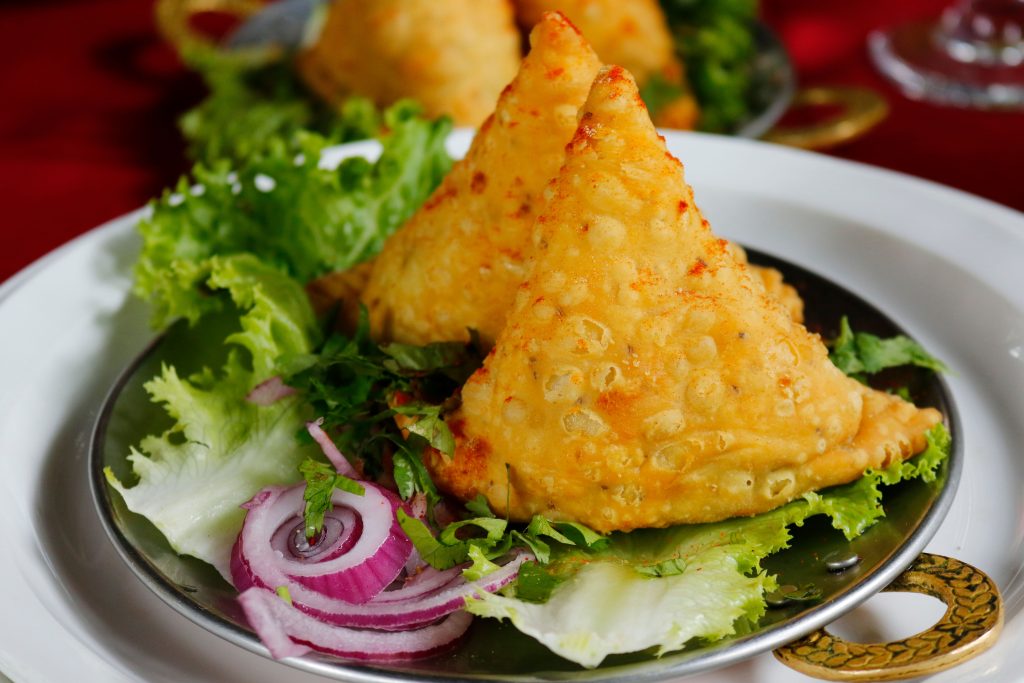
Sticking to high-heat, deep-fried snacks like fresh samosas is your best defense against bacteria.
The 5 Hidden Rules to Eat Street Food Safely in Old Delhi
Rule 1: The Boiling and Frying Only Standard (Skip the Chutneys)
The most effective sterilization tool on the street is raw, bubbling heat. When food is thrown into a massive iron wok of boiling oil or a rolling pot of spicy broth, bacteria are instantly neutralized. Stick strictly to snacks cooked to order right in front of your face, such as fresh, piping-hot samosas or golden jalebis that cost around $0.35 to $0.60 (₹30 to ₹50 INR).
The hidden trap here lies in the cold toppings. Vendors love to ladle raw green mint or sweet tamarind chutneys over your hot food. These chutneys are mixed in bulk ahead of time, kept at room temperature, and frequently thinned out using cheap, unboiled tap water.
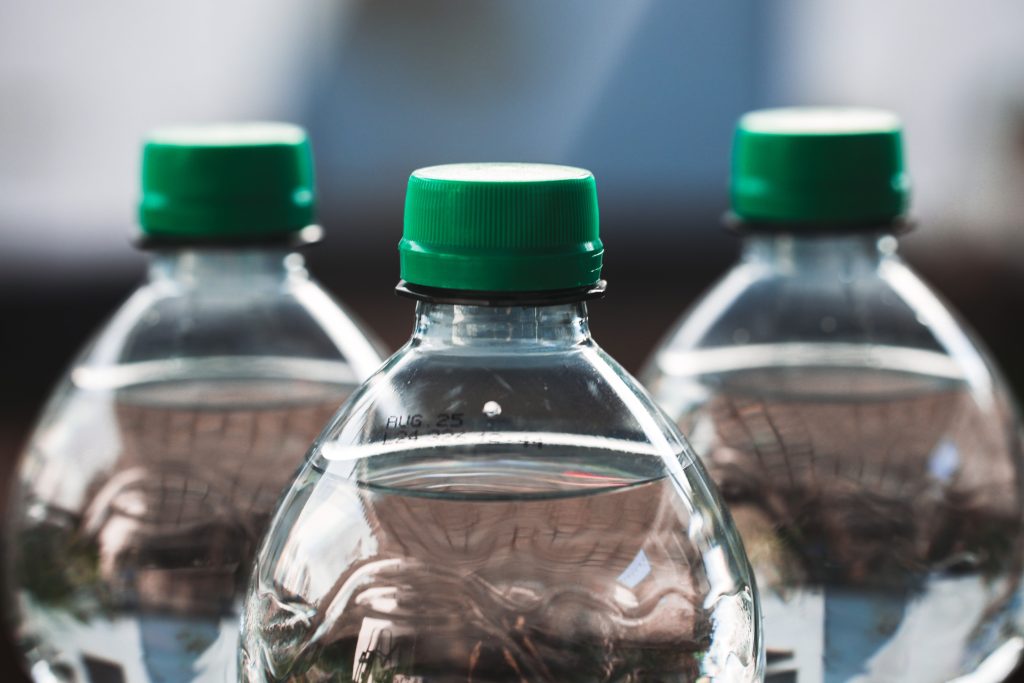
Always purchase verified and tightly sealed bottled water brands while exploring local markets.
High-Heat Safety: Deep frying at temperatures over 175°C (350°F) guarantees surface sterilization.
The Chutney Risk: Raw sauces are major breeding grounds for water-borne pathogens.
Dry Alternatives: Ask the vendor for dry spice mixes like chaat masala instead of wet toppings.
💡 Pro-Traveler Tip: Use the strict phrase “No chutney, dry only” when ordering. On subreddits like r/travel, experienced tourists report that refusing raw sauces is the single most effective way to eliminate food safety risks in Old Delhi.
Rule 2: Tracking the Vendor’s “Crowd Longevity” (Local Families vs. Transients)
Do not just look for a generic crowd; you must evaluate who is standing in that crowd. Avoid stalls surrounded purely by transient laborers, rickshaw drivers, or passing commuters who are simply looking for a fast, ultra-cheap meal before jumping on a train.
Instead, hunt for street food stalls tucked into the residential corners where multi-generational local families, women, and young children are waiting in line. On platforms like Quora, regional food historians note that these specific vendors have operated out of the exact same brick-and-mortar alcoves for 50 to 100 years. They rely entirely on repeat neighborhood business, meaning a single outbreak of poor hygiene would instantly ruin their family legacy.
Family Proof: If local parents feed a specific street snack to their young children, the sanitation levels are highly trusted.
High Turnover Rates: A fast-moving line means raw ingredients like potatoes, flour, and cottage cheese (paneer) never sit exposed to street dust for more than a few minutes.
Generational Pride: Historic stalls often display framed news articles or local awards, indicating a commitment to quality.
💡 Pro-Traveler Tip: Look for the longest queue in areas like Paranthe Wali Gali. Spending $1.20 to $2.40 (₹100 to ₹200 INR) at a highly vetted, high-turnover family stall protects your health far better than choosing an empty vendor to save time.
Rule 3: The Ice, Water, and Raw Dairy Prohibition
This is an absolute, non-negotiable boundary for Western travelers. Never consume local ice cubes, unbottled water, or artisanal dairy drinks from unverified street setups. Classic street treats like lassi (yogurt drinks) or kulfi (traditional ice cream) look incredibly refreshing in the humid heat, but raw, unpasteurized milk products kept in sub-optimal refrigeration units can harbor dangerous bacteria.
Similarly, local street sodas or fruit juices are often cooled using cheap commercial ice blocks. These large ice blocks are frequently transported uncovered on open-air flatbeds and dragged across dirty sidewalks before being crushed into glasses.
Sealed Brands Only: Buy major bottled water brands like Aquafina, Kinley, or Bisleri. Check the plastic ring to ensure it snaps upon opening.
The Ice Ban: Say no to crushed ice or ice cubes in any local lime sodas or juices.
Dairy Discretion: Only consume dairy items from highly reputable, permanent sweet shops like Haldiram’s or Natraj Dahi Bhalle, where pasteurization standards are guaranteed.
💡 Pro-Traveler Tip: When purchasing a cold bottle of water for $0.25 (₹20 INR), verify the factory seal yourself. If the cap looks smoothed over or re-glued, reject the bottle immediately to avoid underground tap-refilling scams frequently discussed on r/IndiaTravel.
Rule 4: Avoiding the “Pre-Cut” Fruit Trap on the Roadside
Walking through the markets of Old Delhi, you will see gorgeous displays of pre-sliced watermelons, papayas, mangoes, and pineapples glinting under the sun. Vendors often spray them with water to keep them looking glistening and fresh.
This is a dangerous trap. The moment a fruit’s protective skin is sliced open, the moist flesh becomes an open sponge for airborne exhaust soot, dust, and flies. Furthermore, the knives used to slice these fruits are rarely sanitized between uses, spreading surface contamination from one batch to the next.
Airborne Exposure: Sticky, wet fruit flesh traps microscopic road dust within minutes.
The Spray Scam: The water used to mist the fruit displays is almost always unboiled municipal tap water.
Natural Packaging: Stick exclusively to fruits wrapped in thick, natural skins that you peel with your own clean hands.
💡 Pro-Traveler Tip: Carry a small pocket knife or buy fresh, unpeeled bananas and oranges from local market carts. Peeling them yourself gives you a 100% sterile snack for under $0.50 (₹40 INR).
Rule 5: Timing Your Food Intake (Why Morning is Safer Than Night)
The safety profile of Old Delhi street food changes dramatically depending on the hour of the day. The optimal time to indulge in a heavy street food tour is during the morning or lunch window between 11:00 AM and 2:00 PM.
Planning to try these dishes in the capital? Check out our ultimate guide on [Old Delhi Street Food Safety] to explore the lanes of Chandni Chowk without getting sick
At this hour, vendors are opening with fresh allocations of vegetables, clean water supplies, and completely fresh batches of cooking oil. By the time 9:00 PM rolls around, those same vats of oil have been reheated repeatedly, producing inflammatory compounds. Leftover ingredients have spent hours sitting out in the oppressive heat, raising the risk of rapid spoilage.
Fresh Batches: Morning starts mean clean workspaces and newly prepped ingredients.
Oil Degradation: Reused night oils collect burnt food particles and can cause severe acid reflux.
Market Sanitation: Early daytime hours feature significantly less crowded conditions, allowing you to easily inspect stall cleanliness without the evening rush.
💡 Pro-Traveler Tip: Plan your street food exploration as an early lunch. This gives your digestive system a full 8 to 10 hours to process the complex spices while you are awake and active, rather than sleeping on a heavy stomach.
Even with the most careful planning, changing continents will cause minor digestive adjustments. Do not rely on finding open pharmacies in the middle of a chaotic market lane. Pack this expert-recommended medical kit in your daypack before heading out:
Pepto-Bismol Tablets: Chewable bismuth subsalicylate tablets coat your stomach lining and provide an excellent barrier against mild bacterial irritation.
Imodium (Loperamide): Keep this strictly for emergency transit situations (like a long train ride or flight). Frequent travelers on Reddit warn not to take it immediately for food poisoning, as your body needs to naturally flush out toxins.
Oral Rehydration Salts (ORS): Tropical sweating combined with mild diarrhea can cause rapid dehydration. Mix one packet into a verified bottle of clean water to maintain your electrolyte levels.
Alcohol-Based Hand Sanitizer: Old Delhi lanes rarely feature public handwashing stations. Clean your hands thoroughly before touching any dry finger foods.
Prescription Support: Before leaving your home country, consult your travel doctor for a backup prescription antibiotic (such as Azithromycin) to deploy only in cases of severe, fever-inducing illness.
Conclusion
Old Delhi is an absolute paradise for adventurous food lovers, and you do not have to let fear keep you from experiencing its legendary history. By maintaining a strict high-heat standard, avoiding roadside tap water variations, and sourcing your meals from trusted, multi-generational family stalls, you can fully outsmart the risks.
Trust the culinary wisdom of the locals, watch your food being prepared,and let The Foods Travel keep your Indian culinary adventures safe, vibrant, and completely stress-free.
⚠️ Note on Currency Conversion: Please keep in mind that currency exchange rates fluctuate constantly. The conversion rates shown between US Dollars ($) and Indian Rupees (₹ INR) are approximations based on current market data and are subject to change over time.